 how-to
Managing Skin Sensitivity After Professional Scar Therapy
Last Updated: November 4, 2026
Quick Summary
Managing skin sensitivity after professional scar therapy means calming and protecting the skin barrier first, then rebuilding tolerance slowly. Keep the area clean with a gentle, fragrance-free cleanser and plain moisturizer, skip all actives, and avoid heat, sweat, and sun for the first three days. Sensitivity usually peaks in the first few days and eases steadily after that.
- Normal sensitivity feels like mild tightness, warmth, itching, or a light sunburn sensation that improves daily.
- Skip retinol, vitamin C, exfoliating acids, and scrubs entirely during the first three days.
- Avoid intense exercise, hot tubs, saunas, and long hot showers for at least the first three days.
- Reintroduce products one at a time, spacing each new product by a few days.
- Patch test new products on the inner forearm or jawline and wait 24 to 48 hours.
Table of Contents
- Why Skin Feels Sensitive After Professional Scar Therapy
- A Staged Aftercare Plan for the First Two Weeks
- Acne Scar Treatment Aftercare: Products That Soothe Reactive Skin
- What to Avoid After Microneedling and Other Scar Treatments
- How Long Does Redness Last After Laser Resurfacing?
- Scar Desensitization and Massage: When to Start and How to Do It
- Getting Your Aftercare Plan at Bella MedSpa
- Frequently Asked Questions
Why Skin Feels Sensitive After Professional Scar Therapy
Managing skin sensitivity after professional scar therapy starts with understanding what your skin just went through. Scar therapy is any clinical treatment that remodels scar tissue, from microneedling and laser resurfacing to chemical peels. Each one creates controlled micro-injury to trigger collagen rebuilding, so the tightness, stinging, and rawness you feel afterward are part of the process, not a sign it went wrong.
After scar therapy, the skin barrier typically needs a few weeks to settle. The outer layer is temporarily compromised, nerve endings are more reactive, and the tissue underneath is actively repairing itself.
That sensitivity usually peaks in the first few days and eases steadily after that. Knowing what's normal, and what isn't, is the difference between a calm recovery and a worried phone call.
Expected Sensitivity vs. a Complication
Normal post-treatment sensitivity feels like mild tightness, warmth, itching, or a light sunburn sensation. It improves a little each day.
Contact your provider promptly if you notice:
- Spreading redness or swelling after the first few days
- Increasing pain instead of easing
- Pus, drainage, or a foul odor
- Fever or feeling unwell
- A rash that spreads beyond the treated area
These can signal infection or an allergic reaction. They are uncommon, but they need a professional's eyes, not a home remedy. For broader guidance on skin healing, the American Academy of Dermatology's skin care resources is a reliable starting point.
A Staged Aftercare Plan for the First Two Weeks
A staged plan works better than a single set of rules, because your skin's needs on day one are not its needs on day ten. The timeline below reflects what most practitioners recommend, but your own provider's instructions always take precedence, especially if your treatment was aggressive or covered a large area.
Days 1-3: Calm and Protect
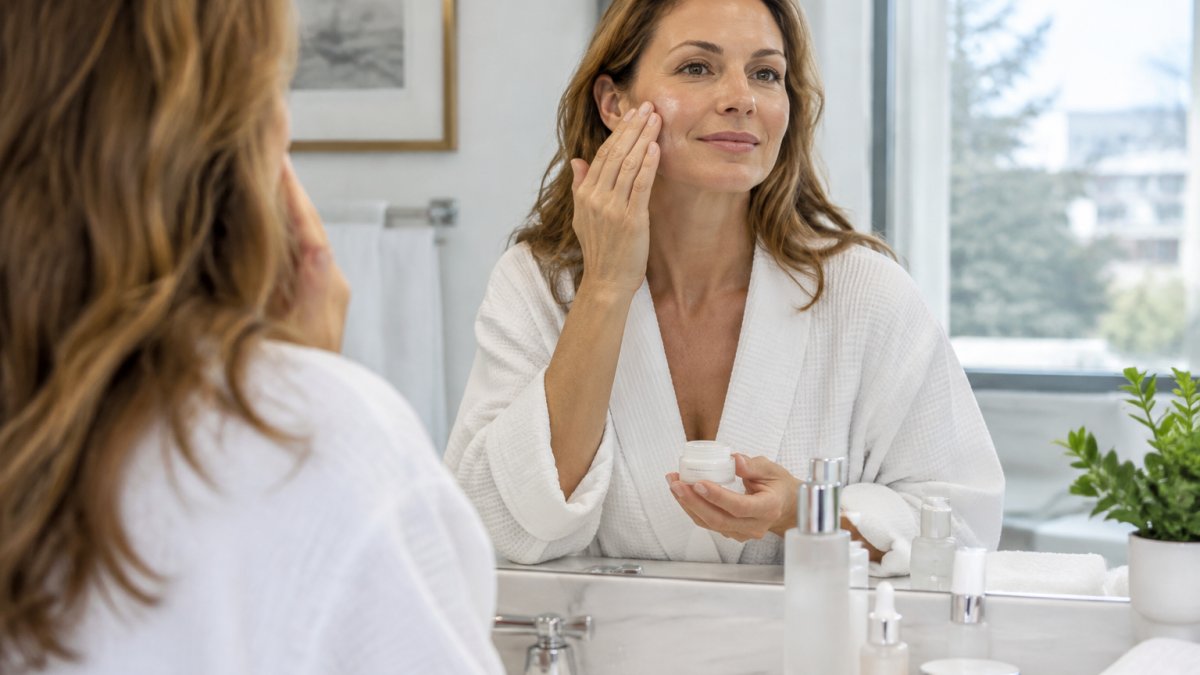
Your only job in the first three days is to reduce irritation. Keep the area clean with a gentle, fragrance-free cleanser and lukewarm water.
Apply a plain moisturizer or a thin layer of healing ointment as directed. Skip actives entirely: no retinol, no vitamin C, no exfoliating acids, no scrubs. Protect the area from sun with a soft hat or physical sunscreen once your provider clears it.
Activity restrictions matter here too. Avoid intense exercise, heavy sweating, hot tubs, saunas, and long hot showers for at least the first three days, since heat and sweat can increase redness and irritation. Skip makeup on treated areas until any micro-channels or peeling have closed, usually 24 to 72 hours depending on the treatment.
Watch out: If you had a deeper laser resurfacing or a medium-depth peel, your provider may extend this phase by several days and may prescribe a specific ointment rather than a general moisturizer. Follow that plan rather than a generic timeline.
Days 4-14: Rebuild Tolerance
Once the initial rawness fades, you can start rebuilding your skin's tolerance. Continue moisturizing, and reintroduce products one at a time, not all at once, spacing each new product by a few days so you can tell what your skin reacts to.
This is also when light scar massage often begins, if your provider approves it. The goal is gradual exposure, not a fast return to your full routine.
Return to exercise once swelling and rawness have settled, usually within a few days for microneedling and longer for resurfacing. Sun exposure should stay limited for the full two weeks and beyond; new skin is highly photosensitive, and unprotected sun can deepen redness and raise the risk of pigmentation problems, particularly in darker skin tones. Hold off on waxing, threading, and hair removal creams on treated areas until your provider clears them.
| Phase | Focus | What to Do | What to Skip |
|---|---|---|---|
| Days 1-3 | Calm and protect | Gentle cleanser, plain moisturizer, sun protection, rest from exercise | Actives, exfoliants, makeup if advised, heat and sweat |
| Days 4-14 | Rebuild tolerance | Moisturize, begin light massage if cleared, add one product at a time, ease back into exercise | Scrubs, strong acids, picking, waxing, prolonged sun |
Treatment-Specific Adjustments
The two-week frame is a starting point, not a fixed rule. Microneedling typically settles fastest, with surface redness easing within a few days. Chemical peels peel and flake for about a week depending on depth. Laser resurfacing generally has the longest recovery, with redness that can persist for several weeks at aggressive settings. Manual scar therapy and massage-based treatments usually leave the surface intact, so the main caution is soreness rather than an open barrier. Ask your provider which timeline fits your specific treatment before you plan around it.
Acne Scar Treatment Aftercare: Products That Soothe Reactive Skin
Acne scar treatment aftercare comes down to a short, boring product list. Reactive skin does best with fewer ingredients, not more, and the order you introduce them matters as much as what you choose.
Look for:
- Fragrance-free moisturizers to support the barrier
- Gentle, non-foaming cleansers that won't strip the skin
- Mineral sunscreen that sits softly on sensitive areas
Skip anything with alcohol, essential oils, or strong acids until your provider says otherwise. Also hold off on retinoids, vitamin C, exfoliating acids, and scrubs while the barrier is recovering; these are useful later but irritating now.
Patch Test Before You Commit
Reactive skin can react to a product it tolerated before treatment, so patch test anything new. Apply a small amount to a discreet area, such as the inner forearm or the jawline away from the treated zone, and wait 24 to 48 hours. If you see redness, itching, or stinging, do not apply it to the treated area. Introduce one new product at a time and give it a few days before adding another, so you can identify the culprit if a reaction appears.
Watch out: "Fragrance-free" and "unscented" are not the same thing. Some unscented products contain masking fragrances that can still irritate reactive skin, so check the ingredient list rather than the front label.
Ingredient Safety for Reactive Skin
A few ingredient habits make a real difference. Choose products with a short ingredient list, since fewer ingredients means fewer chances of a reaction. Prefer formulations labeled for sensitive skin and free of dyes and drying alcohols. If your skin is easily irritated, our guide to medical grade skincare alternatives for rosacea covers product choices built for reactive skin types.
Different Skin Tones, Different Risks
Pigmentation risk is not the same for everyone. Darker skin tones are more prone to post-inflammatory hyperpigmentation after injury, so strict sun protection and avoiding unnecessary irritation matter even more. People with a history of keloids should be especially cautious about picking, scratching, or aggressive massage, and should ask their provider about a plan tailored to keloid-prone skin. If you are unsure which category you fall into, raise it at your follow-up rather than guessing.
What to Avoid After Microneedling and Other Scar Treatments
Knowing what to avoid after microneedling matters as much as what you apply. The same cautions apply to laser and peel treatments.
For the first week or two, avoid:
- Intense exercise and heavy sweating
- Hot tubs, saunas, and long hot showers
- Direct sun exposure and tanning beds
- Waxing, threading, and hair removal creams on treated areas
- Retinoids, acids, and exfoliating scrubs
- Picking or scratching at flaking skin
Alcohol can also slow healing, so go easy on it while your skin recovers. If you're weighing microneedling against a peel, our comparison of microneedling vs chemical peels for acne scars explains which aftercare rules apply to each.
How Long Does Redness Last After Laser Resurfacing?
Redness after laser resurfacing typically fades over one to two weeks for lighter treatments and can linger for several weeks with more aggressive settings. It usually lessens gradually rather than disappearing overnight.
Mild pinkness that slowly improves is expected. Redness that deepens, spreads, or comes with pain after the first week deserves a call to your provider. For a realistic look at what recovery can involve, see our guide to laser resurfacing recovery signs at one month.
Scar Desensitization and Massage: When to Start and How to Do It
Scar desensitization and massage help calm reactive nerves and soften tight tissue. Most providers suggest starting once the surface has closed and any scabbing has healed, often around one to two weeks, but always follow your own clinician's timing.
How to do it gently:
- Wash your hands and apply a little moisturizer or silicone gel.
- Use light, circular pressure with a clean fingertip.
- Work for a short time, once or twice a day.
- Stop if it causes sharp pain or increased irritation.
Desensitization means slowly getting the scar used to touch. Start with soft textured fabrics and light pressure, then build up as tolerance improves. For a closer look at professional scar therapy options, our article on whether microneedling is worth it for aging skin walks through what treatment and recovery involve.
Getting Your Aftercare Plan at Bella MedSpa
Every scar and every skin type responds differently, so a plan built for you beats a generic checklist. Aftercare plans are best tailored to your treatment, skin, and goals by a qualified provider.
When you're ready to book, our guide on how to choose a microneedling provider can help you ask the right questions.
Frequently Asked Questions
How long does skin sensitivity last after professional scar therapy?
Most people notice the sharpest sensitivity in the first 48 to 72 hours, with tenderness and tightness easing over one to two weeks. Laser resurfacing and deeper microneedling tend to cause longer sensitivity than lighter treatments. Redness can linger for several weeks, especially on fair or highly reactive skin. Your provider can give you a realistic timeline for your specific treatment and skin type, and any sensitivity that worsens after day three deserves a call.
How do you calm sensitive skin after acne scar treatment?
Keep the routine boring for the first week. Use a gentle, fragrance-free cleanser, a plain moisturizer, and a mineral sunscreen, and skip actives like retinol, vitamin C, and exfoliating acids until your provider clears them. Cool compresses can ease heat and tightness. Avoid hot showers, saunas, and strenuous sweat sessions for a few days. If stinging persists or you develop a rash, contact your provider rather than adding new products to fix it.
What should you avoid after microneedling?
For the first 24 to 48 hours, skip makeup, harsh cleansers, retinol, exfoliants, and anything with fragrance or alcohol. Avoid swimming pools, hot tubs, saunas, and heavy exercise that makes you sweat. Stay out of direct sun and do not pick at any flaking or scabbing. Alcohol and blood thinners can increase bruising, so ask your provider about your medications. Most people can return to normal skincare within about a week, but follow your provider's specific instructions.
How do you know if a reaction after scar therapy is normal?
Normal recovery looks like redness, warmth, mild swelling, tightness, and light flaking that steadily improve day by day. Contact your provider if you see spreading redness, increasing pain after day three, pus, fever, blistering, or a rash that expands. These can signal infection or an allergic reaction and need prompt evaluation. When in doubt, send a photo to your treating office. It is always better to ask early than to wait and let a small issue grow.
Sensitive skin after scar therapy is manageable with the right plan and the right guidance. If you're unsure whether your redness or tightness is normal, don't guess. Get started with Bella MedSpa and receive a personalized aftercare plan from our medical team, with treatments like Genius RF and Clarity II matched to your skin's needs.