 how-to
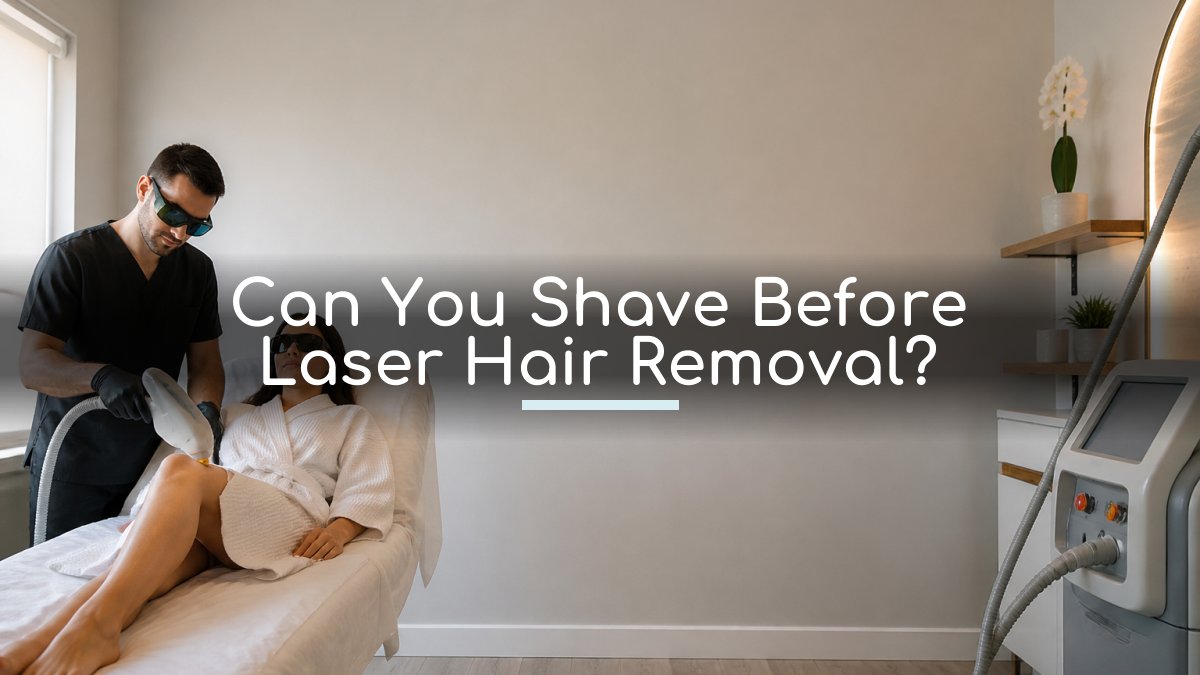
Can You Shave Before Laser Hair Removal?
Last Updated: November 3, 2026
Quick Summary
To prepare for laser hair removal, shave the treatment area the day before or the morning of your appointment. Stop waxing, plucking, and threading for about four to six weeks, and avoid tanning and sun exposure. Tell your provider about all medications and supplements you take.
- Shave the area the day before or the morning of your appointment.
- Stop waxing, plucking, and threading for about four to six weeks before treatment.
- Avoid tanning, self-tanners, and sun exposure before your session.
- Stop certain topical products and disclose every medication and supplement you take.
- Shaving removes surface hair so the laser can reach the follicle below.
Table of Contents
- How to Prepare for Laser Hair Removal: The Short Answer
- Can I Shave Right Before Laser Hair Removal?
- Preparing for Laser Hair Removal at Home: Stop Waxing, Plucking, and Bleaching First
- What to Do Before Laser Hair Removal Brazilian Sessions
- How to Prepare for Laser Hair Removal on Your Face
- Sun, Skin Products, Medications, and Hormones to Consider
- Booking Your First Session at Bella MedSpa
- Frequently Asked Questions
How to Prepare for Laser Hair Removal: The Short Answer
Laser hair removal works best when you prepare your skin and hair in the weeks before your first session. Following these steps can help the laser target the hair follicle more effectively and may reduce the chance of irritation.
The main rules are easy to remember. Shave the area the day before or the morning of your appointment. Stop waxing, plucking, and threading for about four to six weeks, because the laser needs hair in the follicle to work. Avoid tanning, self-tanners, and sun exposure. Stop certain topical products and tell your provider about every medication and supplement you take.
Laser energy is absorbed by melanin, the pigment in hair and skin. That is why settings are typically adjusted for skin tone and hair color. A consultation is the best way to confirm which settings are right for you.
Can I Shave Right Before Laser Hair Removal?
Yes, you can and should shave the treatment area before your session. Shaving removes the hair above the skin's surface, so the laser can reach the follicle below. Many providers ask you to shave within 24 hours of treatment and avoid other hair removal methods in the weeks before.
Shaving the morning of your appointment is a common approach. Use a clean, sharp razor and a gentle shaving cream. Avoid nicks and cuts, since broken skin can make treatment less comfortable.
Some patients feel mild stinging or redness after shaving. If the skin looks raw or irritated, tell your provider before the session. A provider can adjust the plan or reschedule if needed.
Preparing for Laser Hair Removal at Home: Stop Waxing, Plucking, and Bleaching First
Home prep starts with stopping the methods that pull hair out by the root. Waxing, plucking, threading, and epilating remove the follicle's hair shaft, which the laser needs to target. Most providers ask you to stop these for about four to six weeks before your first treatment.

Bleaching works differently and is also generally avoided in the weeks before treatment, because bleached hair can look light to the laser and may not respond well to the energy.
Skin care also matters at home. Use a gentle cleanser and a broad-spectrum sunscreen every day. Stop exfoliating the treatment area and avoid strong retinoids or harsh topical products unless your provider approves them. Keep the skin calm and moisturized.
Skipping sunscreen or using a self-tanner before treatment can raise the risk of skin irritation and pigment changes, so check with your provider before using any tanning product.
What to Do Before Laser Hair Removal Brazilian Sessions
A Brazilian session treats the most sensitive skin on the body, so the prep window matters more than it does for legs or underarms. The goal is clean, intact skin with hair present in the follicle and as little surface irritation as possible.
Shaving timing. Shaving the treatment area the day before or the morning of your appointment with a clean, sharp razor is commonly recommended. Shaving with the grain and using a single gentle pass can help limit irritation. Nicks and razor burn on sensitive tissue can make the session more uncomfortable and may require rescheduling.
What to skip in the weeks before. Waxing, plucking, threading, and epilating are generally avoided for four to six weeks, because the laser needs the hair shaft in the follicle. Bleaching creams and depilatories are also commonly avoided. Harsh scrubs, loofahs, and exfoliating acids are typically avoided on the area for at least a week. Lotions, oils, deodorant, and numbing creams are usually not applied on the day of treatment unless your provider instructs otherwise.
Pain and anxiety planning. First-timers often worry most about discomfort. At consultation, it is reasonable to ask which comfort options are available, such as a topical numbing cream, cooling air, or a longer-wavelength laser. Taking an over-the-counter pain reliever about an hour before is a common approach, but confirm with your provider first, some medications increase bleeding risk. If anxiety is a barrier, say so; a slower pace, a break mid-session, or a smaller treatment area per visit can make the first appointment manageable.
What to wear and bring. Loose, breathable clothing that will not rub the treated area on the way home is a practical choice. A small bag with fragrance-free moisturizer, sunscreen, and a cold pack can make the immediate post-session transition easier.
Hygiene and disclosure. Arriving with clean, dry skin is generally helpful. It is useful to tell your provider about any relevant history, such as skin sensitivity, recent procedures in the area, or hormonal conditions, as well as any tendency toward ingrown hairs or keloid scarring.
How to Prepare for Laser Hair Removal on Your Face
Facial treatments generally follow the same core rules: shave gently, avoid waxing and plucking, and protect your skin from the sun. Facial skin is thin and reactive, so the prep steps matter even more.
Shave the treated areas with care, using a single gentle pass where possible. Avoid bleaching or tinting the facial hair in the weeks before treatment. Keep your skin free of harsh scrubs, peels, and strong topical acids unless your provider has approved them.
Wear sunscreen daily, including on cloudy days. Sun exposure before treatment can increase the chance of irritation. Ask your provider for a clear list of what to pause before your session and when.
Sun, Skin Products, Medications, and Hormones to Consider
This is where preparation gets personal. The right timeline depends on your skin type, your medications, and your hormonal patterns, so treat the guidance below as a framework to review with your provider rather than a one-size-fits-all list.
Sun exposure and tanning. Laser energy is absorbed by melanin, and tanned skin contains more melanin in the epidermis. That extra pigment competes with the hair follicle for the laser's energy and raises the risk of burns and post-inflammatory hyperpigmentation. Many practitioners ask patients to avoid direct sun, tanning beds, and self-tanners on the treatment area for at least two weeks before a session. Daily broad-spectrum sunscreen with SPF 30 or higher is the baseline. Watch out: a "base tan" is not protective here, it is a contraindication for many protocols.
Topical products to pause. Retinoids (tretinoin, adapalene, retinol), alpha-hydroxy acids (glycolic, lactic), beta-hydroxy acid (salicylic), and benzoyl peroxide can thin the stratum corneum or increase photosensitivity. Retinoids and strong acids are commonly paused on the treatment area before a session; ask your provider how far in advance to stop them. Bleaching creams containing hydroquinone deserve special caution: they alter skin pigment and can complicate settings selection, so disclose them. Continue gentle cleanser and a bland moisturizer.
Medications and supplements. Tell your provider about every prescription, over-the-counter drug, and supplement. Photosensitizing medications, certain antibiotics (tetracyclines, fluoroquinolates), isotretinoin, some antifungals, and diuretics, can increase sensitivity. Blood thinners and high-dose fish oil or vitamin E may increase bruising or bleeding at the follicle. Do not stop or change any prescription without speaking to the prescribing clinician first.
Hormones and cycle timing. Hair growth is hormone-driven, and pain tolerance fluctuates across the menstrual cycle. Many patients report greater sensitivity in the days just before and during menstruation, when estrogen is low. If your schedule allows, some people find it more comfortable to book the week after their period ends. Pregnancy and menopause shift hair growth patterns and skin sensitivity; disclose both so your provider can adjust fluence and timing. Conditions such as polycystic ovary syndrome (PCOS) can affect hair regrowth, so it is worth discussing them with your provider.
Skin type matters. Darker skin types can carry a higher risk of pigment change, and different laser systems are used depending on skin type. Prep advice, especially around bleaching creams and sun avoidance, should be tailored to your Fitzpatrick type, so ask which laser is planned for you and what prep that device requires.
Tattoos, permanent makeup, and scarring history. Laser hair removal can target pigment in tattoos and permanent makeup, causing burns or ink changes. Flag any ink near the treatment area so your clinician can shield it or adjust the plan. A history of keloids or active skin conditions in the area also warrants a conversation before booking.
Booking Your First Session at Bella MedSpa
Start with a consultation so your provider can review your skin type, hair color, and medical history. This is a good time to ask questions about cost. For current pricing and a personalized quote, contact Bella MedSpa directly.
Before your visit, you can read our book a laser hair removal consultation guide to learn what to expect and which questions to ask. You can also review our cost of laser hair removal guide to understand what affects pricing. To see the full range of options, explore our medical treatments page.
When you are ready to begin, Bella MedSpa is here to help you plan your treatment path. Contact us to schedule your consultation and take the first step toward smoother, more confident skin.
Frequently Asked Questions
How do I prepare for my first laser hair removal?
Start by avoiding sun exposure and self-tanners for several weeks, and stop waxing, plucking, or using depilatory creams in the four to six weeks before treatment because the laser targets hair in the follicle. Shave the treatment area 24 hours before your appointment so the hair is short but the root remains intact. Tell your provider about any medications, supplements, or retinoids you take, and arrive with clean, product-free skin. A consultation lets the provider assess your skin type and hair color before setting the device energy.
What happens if I shave 2 hours before laser hair removal?
Shaving a few hours before treatment is generally acceptable, since the goal is to remove surface hair so the laser can reach the follicle without burning the skin on top. The main concern is skin irritation, not the timing itself. Freshly shaved skin can be more sensitive, so avoid heavy lotions, exfoliants, or aggressive products on the area beforehand. Ask your provider whether they prefer you shave the day before instead, since practices differ.
Can I shave right before laser hair removal?
Yes, shaving right before a session is usually fine and is the method most providers recommend. Shaving removes hair above the skin surface, which helps the laser focus its energy on the follicle below. Use a clean, sharp razor, shave in the direction of hair growth, and avoid nicks or razor burn. If your skin is irritated or broken, let your provider know, because the treatment may need to be postponed for that area.
What should I not do before laser hair removal?
Avoid waxing, plucking, threading, and depilatory creams for at least four to six weeks before treatment, because removing the root interferes with the laser. Skip sun exposure, tanning beds, and self-tanners, since tanned skin raises the risk of burns and pigment changes. Do not use retinoids, exfoliating acids, or bleaching agents on the treatment area in the days before your appointment. Check with your provider about any medications or supplements you take.