 ultimate-guide
Medical Grade Skin Revitalization: Benefits & Results
Table of Contents
- What Medical-Grade Skin Revitalization Actually Is
- Medical-Grade Skincare vs Over-the-Counter Products
- Key Benefits of Medical-Grade Facial Treatments
- How Active Ingredients Support Skin Regeneration
- Professional Skin Rejuvenation Treatments
- Skin Revitalization Aftercare and Maintenance
- Realistic Expectations and Timeline for Results
- Frequently Asked Questions
Last Updated: October 11, 2026
What Medical-Grade Skin Revitalization Actually Is
Medical grade skin revitalization uses pharmaceutical-strength products and advanced technology in a clinical setting to stimulate cellular renewal and collagen production, addressing multiple aging concerns simultaneously.
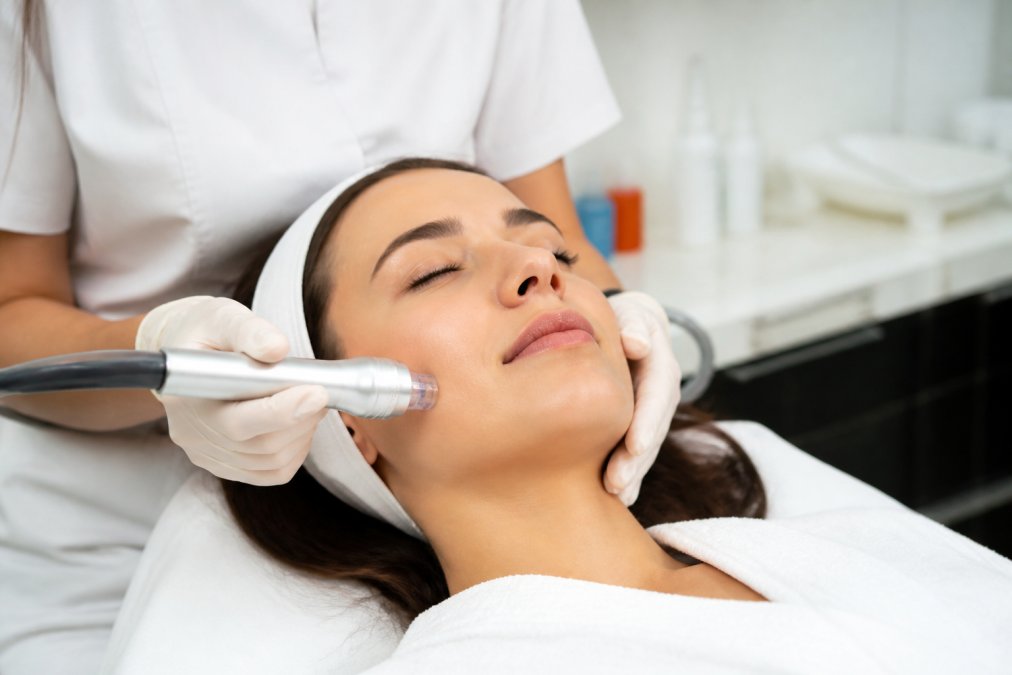
Medical-grade skin revitalization combines controlled delivery systems, high-concentration actives requiring professional supervision, and devices that penetrate beyond the epidermis, a personalized clinical process, not a one-size-fits-all routine.
Medical-grade skin revitalization improves skin health, texture, tone, and appearance by working with your skin's biology to address fine lines, uneven pigmentation, acne scars, and loss of radiance.
Medical-Grade Skincare vs Over-the-Counter Products
The difference between medical-grade and over-the-counter skincare comes down to three factors: ingredient concentration, formulation technology, and delivery mechanism.
Over-the-counter products contain lower concentrations of active ingredients (5-10%), designed for self-application without oversight. They improve the barrier and hydration but work slowly and remain on the surface.
Medical-grade products contain higher concentrations of active ingredients (20-50% or more) with stabilized formulations and delivery systems that penetrate deeper. Prescription-strength retinoids trigger more significant cellular turnover than consumer alternatives.
Professional application allows customization of concentration, technique, and frequency based on your skin type. Providers can layer treatments, combine modalities, and monitor response in real time, impossible with at-home products.
Bella MedSpa uses pharmaceutical-strength formulations and advanced technology to deliver results that over-the-counter skincare cannot match, reflecting superior product quality and clinical expertise.
Key Benefits of Medical-Grade Facial Treatments
Medical-grade skin revitalization addresses multiple skin concerns, but the right approach depends on your primary concern and skin type.
Improved Skin Texture and Tone
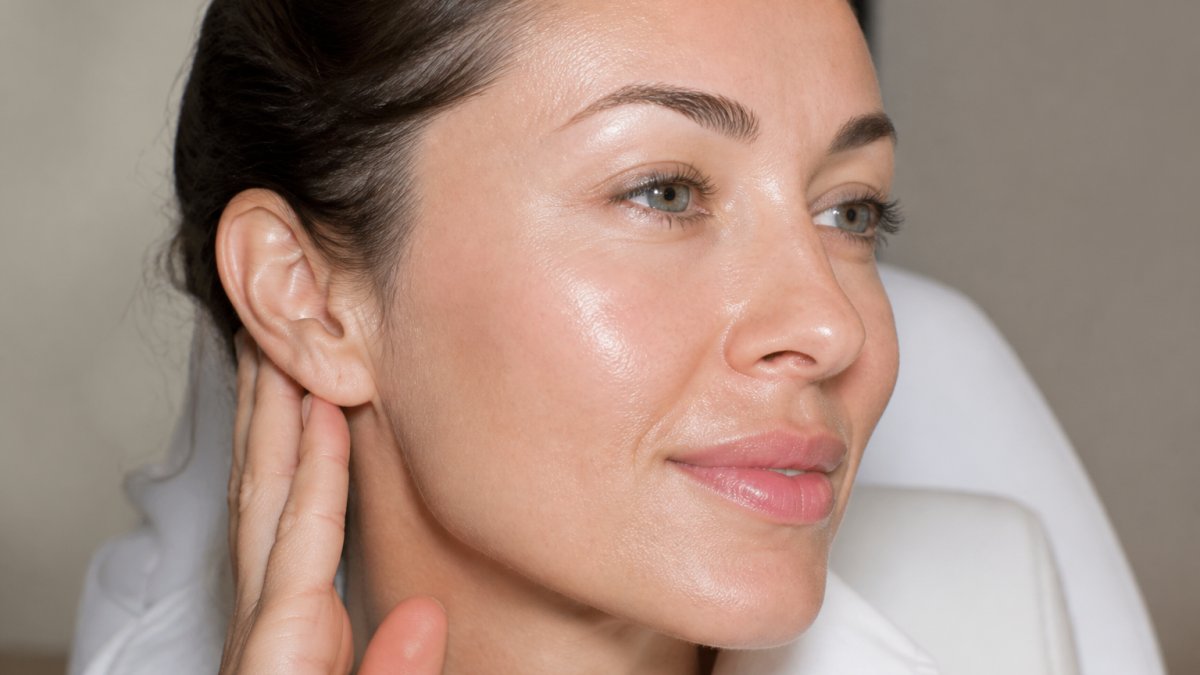
Uneven texture and dull tone result from sun exposure, aging, or breakouts. Professional treatments address this by accelerating cell turnover and promoting even pigmentation.
Best for: All skin types, especially those with sun damage or post-acne roughness.
How it works: Collagen-stimulating treatments fill irregularities; chemical peels remove damaged layers; laser treatments target texture and tone simultaneously. Over 4-8 weeks, roughness diminishes and skin becomes more polished and luminous.
What to expect: Results are structural, reflecting actual changes in skin composition. Most people notice visible refinement within 4 weeks and continued improvement over 8-12 weeks.
Addressing Fine Lines, Wrinkles, and Sun Damage
Fine lines and wrinkles form when collagen breaks down and elasticity is lost. Sun damage accelerates this, creating rough texture, discoloration, and premature aging, all addressed by collagen-stimulating treatments.
Best for: Mature skin, those with significant sun exposure history, and anyone noticing loss of firmness.
How it works: Radiofrequency and microneedling stimulate collagen production, restoring firmness and filling creases. Laser treatments resurface damaged layers while triggering collagen remodeling over weeks and months.
What to expect: Fine lines often improve noticeably within 4-6 weeks. Deeper wrinkles require longer treatment timelines (3-6 months or more) and may show 30-50% improvement rather than complete resolution. Sun-damaged skin becomes smoother and more resilient as cellular turnover increases.
Treating Hyperpigmentation and Age Spots
Age spots and hyperpigmentation occur when melanin concentrates unevenly, particularly in darker skin tones or with significant sun exposure. Professional treatments address this through multiple mechanisms, far more effective than over-the-counter solutions.
Best for: All skin types, though darker skin tones require specialized protocols to avoid post-inflammatory hyperpigmentation (darkening that can occur after aggressive treatment).
How it works: Treatments inhibit melanin production, accelerate shedding of pigmented cells, or stimulate even regeneration. Laser targets pigment specifically; chemical peels and microneedling work through cell turnover acceleration.
What to expect: Results typically emerge over 6-12 weeks. Lighter age spots may fade significantly; deeper pigmentation may improve 30-50%. Consistent sun protection during treatment is essential, as sun exposure can reverse progress or worsen pigmentation.
Acne Scars and Active Breakouts
Acne scars result from collagen damage; active breakouts reflect ongoing inflammation and barrier dysfunction. These require different approaches, though some treatments address both.
Best for acne scars: Microneedling and laser resurfacing are particularly effective for depressed (atrophic) scars. Radiofrequency can help with rolling scars and skin laxity. Results are best for people past the active acne phase.
Best for active acne: Treatments that normalize sebum production, reduce bacterial colonization, and strengthen the skin barrier. Chemical peels, certain laser wavelengths, and medical-grade serums with acne-fighting actives work synergistically.
How it works: For scars, treatments rebuild collagen, gradually raising depressed areas. For breakouts, treatments reduce inflammation, improve barrier function, and prevent new lesions.
What to expect: Active acne prevention shows faster results, often within 2-4 weeks, because it addresses current inflammation. Scar improvement is slower; expect 3-6 months for meaningful change and continued improvement over longer timelines.
Hydration, Radiance, and Skin Barrier Support
Loss of radiance and dehydration accompany aging and environmental damage. A compromised barrier allows moisture to escape and irritants to penetrate. Professional treatments restore barrier function and hydration simultaneously.
Best for: All skin types, especially sensitive, dehydrated, or compromised skin.
How it works: Medical-grade serums with humectants and barrier-supporting ingredients (niacinamide, peptides, ceramides) are applied when skin is primed to absorb them. Collagen-stimulating treatments improve moisture retention, resulting in plump, luminous, comfortable skin.
What to expect: Hydration improvements are often the fastest to appear, within 1-2 weeks, because they reflect improved barrier function and moisture retention. Radiance follows as cell turnover accelerates and dead, dull cells are shed. These improvements are maintained through consistent at-home use of medical-grade products and sun protection.
How Active Ingredients Support Skin Regeneration
Medical-grade formulations rely on active ingredients that trigger specific biological responses. Retinoids bind to cellular receptors, accelerating cell turnover, increasing collagen synthesis, and improving barrier function. Medical-grade retinoids are more potent and stabilized than consumer versions, delivering faster results with fewer side effects.
Vitamin C in medical-grade formulations is stabilized at pH levels for penetration. It brightens skin, neutralizes free radical damage, and supports collagen synthesis.
Peptides signal the skin to produce more collagen and elastin. They're particularly useful in formulations designed to address fine lines and loss of firmness.
Hydroxy acids (glycolic, lactic, salicylic) exfoliate at different depths. Professional-grade versions maximize efficacy while a trained provider monitors response.
Niacinamide strengthens the skin barrier, reduces inflammation, and regulates sebum production. It's especially valuable for sensitive skin or those prone to breakouts.
Strategic combination at the right concentration and frequency is where professional expertise makes the difference between marginal and transformative results.
Professional Skin Rejuvenation Treatments
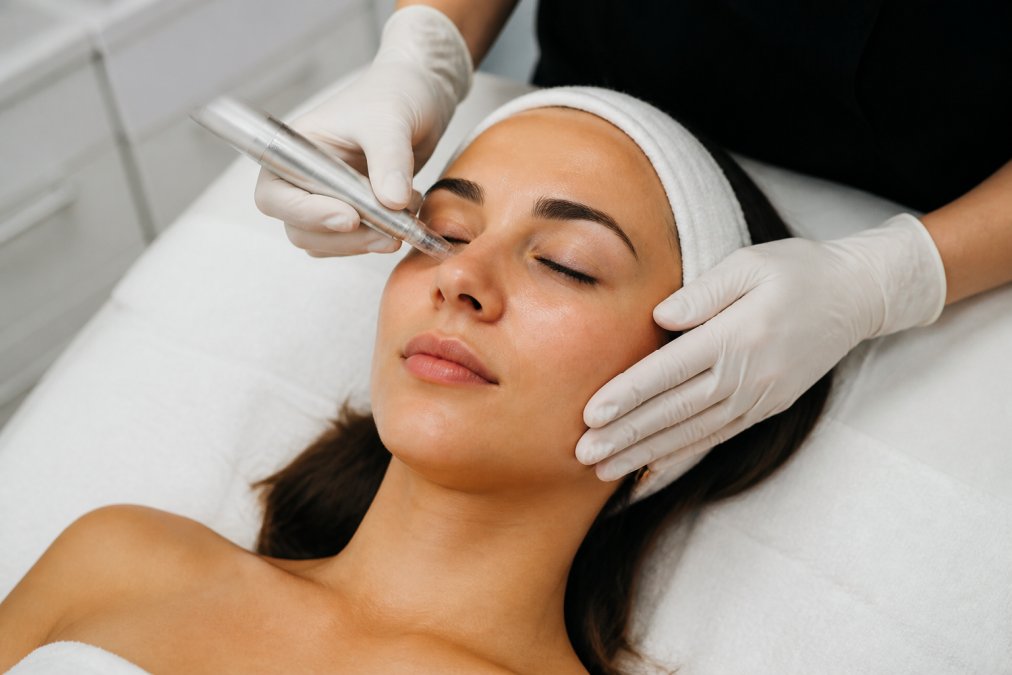
Professional treatments accelerate benefits by using technology to penetrate deeper and trigger stronger biological responses. Radiofrequency uses controlled heat to stimulate collagen and tighten skin. Laser treatments target pigmentation, collagen stimulation, or resurfacing depending on wavelength and intensity. Chemical peels exfoliate aggressively, removing damaged layers and triggering renewal at customized depths. Microneedling creates controlled micro-injuries that trigger healing, stimulating collagen and improving absorption of medical-grade serums.
The most effective approach combines treatments. Bella MedSpa designs personalized protocols that layer modalities strategically, allowing each treatment to build on the previous one and maximize results.
Skin Revitalization Aftercare and Maintenance
Results from medical grade skin revitalization depend heavily on aftercare and ongoing maintenance.
Immediately after treatment, the skin is more sensitive and vulnerable to sun damage. Daily broad-spectrum sunscreen (SPF 30 or higher) is non-negotiable. Many people see their results fade or reverse if they neglect sun protection.
Your skincare routine at home should support the professional treatment. This typically includes medical-grade cleansers, serums with active ingredients matched to your treatment protocol, and moisturizers that strengthen the skin barrier.
Frequency of professional treatment varies based on your concerns and the specific modality used. Some treatments require monthly sessions for optimal results; others are spaced further apart.
Many people benefit from maintenance treatments every 4-8 weeks once they've completed an initial series. This prevents regression and allows continuous improvement. Consistency matters more than intensity, regular, moderate treatment outperforms sporadic aggressive sessions.
Realistic Expectations and Timeline for Results
Medical-grade skin revitalization delivers measurable results, but understanding what is clinically supported versus what is marketing-driven is essential to setting realistic goals.
Evidence-Based Benefits and Their Timeline
Some improvements have strong clinical support. Collagen stimulation through treatments like radiofrequency and microneedling is well-documented in peer-reviewed literature; most practitioners observe visible skin firmness improvements within 8-12 weeks of consistent treatment.
Hyperpigmentation and age spot fading are moderately supported by clinical evidence. Professional-grade treatments targeting melanin production or accelerating cell turnover do fade discoloration, but results vary widely depending on depth, skin type, and sun exposure during treatment. Expect 6-12 weeks for noticeable improvement, with continued fading over months.
Fine line reduction is supported, though expectations should be tempered. Medical-grade treatments improve the appearance of fine lines through hydration, collagen support, and skin tightening, but they do not erase deep wrinkles completely.
Acne scar improvement is real but gradual. Collagen remodeling in scarred tissue is a slow biological process. Depressed scars may show 30-50% improvement over 6 months with consistent treatment, but complete resolution is rare.
Where Evidence Is Limited
Some claims made in the skincare industry lack robust clinical support. Dramatic skin tightening from topical serums alone, for example, is often overstated; the effect is usually temporary hydration-driven plumping rather than structural collagen change. Similarly, claims that medical-grade products can replace professional treatments are not supported by evidence; the concentration and delivery mechanisms of professional treatments produce results topical products cannot match.
Results also vary significantly by individual. Genetics, age, skin type, sun damage history, and lifestyle factors all influence how your skin responds. Someone with minimal sun damage and good skin health may see dramatic results in 4 weeks; someone with decades of cumulative damage may see modest improvement over months. Professional assessment is the only way to predict your likely outcome.
Timeline Expectations by Treatment Phase
Weeks 1-2: Initial improvements are primarily hydration and barrier strengthening. The skin feels smoother and looks more radiant, but this is not yet structural change.
Weeks 4-8: Collagen stimulation and cell turnover accelerate. Fine lines begin to soften, texture refines, and pigmentation starts to fade. This is when most people notice meaningful results.
Weeks 8-12: Continued collagen remodeling. Improvements deepen. Acne scars show early signs of filling in. Skin tone becomes more even.
Months 3-6: Structural changes solidify. Deep wrinkles show modest improvement. Scars continue to improve. Results plateau unless treatment continues.
Maintenance and Regression
Results are not permanent without ongoing care. The skin continues to age; professional treatments slow this process but do not stop it. Most people maintain improvements through periodic professional treatments (typically every 4-8 weeks) combined with a consistent at-home medical-grade skincare routine and daily sun protection.
Without maintenance, improvements typically begin to fade within 2-4 months. This is not failure; it reflects the natural aging process resuming. Maintenance is an ongoing commitment, not a one-time investment.
When Professional Assessment Is Essential
If you have active skin conditions (severe acne, rosacea, eczema), recent sun damage, or are taking medications that affect skin sensitivity (such as isotretinoin or certain antibiotics), professional evaluation before treatment is non-negotiable. Certain skin types and tones also require modified treatment protocols to avoid complications like post-inflammatory hyperpigmentation. A qualified provider will assess your skin, discuss realistic outcomes for your specific situation, and design a protocol matched to your biology and goals.
Frequently Asked Questions
What are the main benefits of medical-grade skin revitalization?
Medical-grade skin revitalization improves skin texture, reduces fine lines and wrinkles, addresses hyperpigmentation and age spots, and helps with acne scars. These treatments work at the cellular level through higher concentrations of active ingredients and professional-grade techniques that over-the-counter products cannot achieve. Results include brighter, smoother skin with improved tone and enhanced radiance over time.
Is medical-grade skincare better than over-the-counter skin care?
Medical-grade skincare contains higher concentrations of active ingredients and is formulated for deeper penetration and stronger results. Over-the-counter products have lower concentrations due to regulatory limits and are designed for general maintenance. Medical-grade products, combined with professional treatments, address specific skin concerns more effectively and produce more noticeable improvements in skin health and appearance.
How long does it take to see results from professional skin revitalization treatments?
Results vary by treatment type and individual skin response. Some treatments show initial improvements within days, while others require multiple sessions over weeks or months for optimal results. Most people notice gradual improvements in skin texture and tone within 2-4 weeks of starting a professional skincare regimen. Professional treatments may require maintenance sessions to sustain results.
What should I do after skin revitalization treatment to maintain results?
Aftercare is essential for maintaining skin revitalization results. Follow your provider's specific instructions, which typically include avoiding sun exposure, using gentle cleansers, applying recommended medical-grade skincare products, and staying hydrated. Consistent use of professional-grade products at home, combined with periodic professional treatments, helps sustain improvements in skin texture, tone, and overall health.