 ultimate-guide
Body Contouring Downtime: What to Expect
Table of Contents
- Understanding Body Contouring Downtime
- Non-Invasive Body Contouring Recovery Time
- Surgical Body Contouring vs. Non-Surgical Recovery
- CoolSculpting Side Effects and Downtime
- Post-Treatment Care for Body Sculpting
- Managing Discomfort and Realistic Expectations
- When to Return to Work and Activities
- Frequently Asked Questions
Last Updated: September 30, 2026
Understanding Body Contouring Downtime
Body contouring downtime refers to the recovery period following body sculpting treatments, during which patients experience temporary side effects and activity restrictions. Length and severity vary significantly between surgical and non-invasive procedures.
Some procedures allow return to normal activities within hours, while surgical options require weeks of healing. The difference depends on how deeply the treatment affects skin and underlying tissue.
Many underestimate how visible swelling and bruising can be in the first week. Knowing this prevents disappointment and helps you schedule treatments strategically.
Non-Invasive Body Contouring Recovery Time
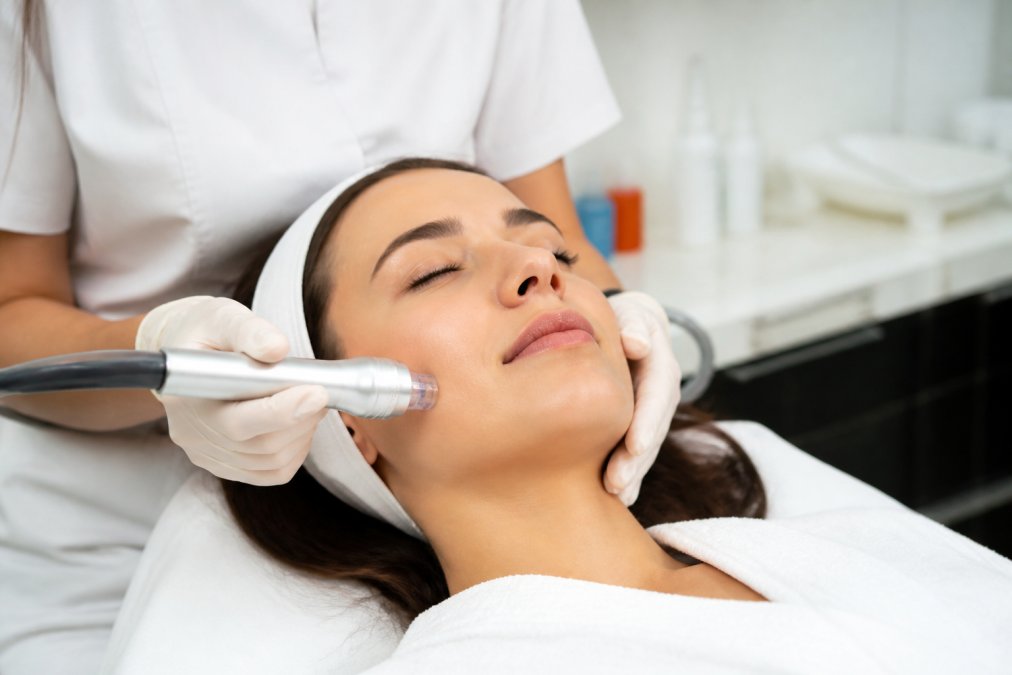
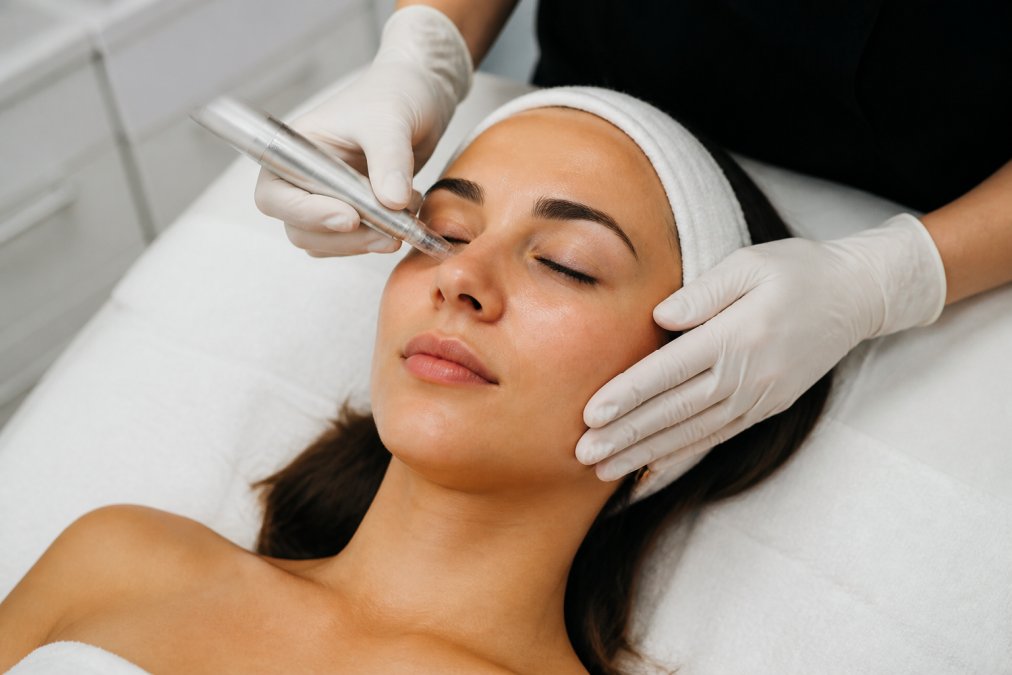
Non-invasive body contouring treatments offer minimal downtime. These procedures use energy-based technologies to reduce fat and tighten skin without incisions, with recovery involving mild redness and temporary numbness that resolve within days.
CoolSculpting and similar cryolipolysis treatments require zero downtime, return to work immediately. The treatment freezes adipose tissue, which your body naturally eliminates over several weeks. Most patients see noticeable results within 4-6 weeks.
Radiofrequency and ultrasound treatments allow immediate return to normal activities, using heat energy to tighten skin and stimulate collagen production. Redness typically fades within hours, with mild tenderness that doesn't restrict activity.
Non-invasive body contouring downtime is minimal: fit treatment into your lunch break and continue your day with no compression garments or activity restrictions.
Surgical Body Contouring vs. Non-Surgical Recovery
Surgical body contouring produces dramatic results but demands significant recovery time. Procedures like liposuction, tummy tucks, and body lifts involve incisions and tissue manipulation requiring weeks of healing.
Surgical procedures typically require 2-4 weeks before returning to light work, with strenuous exercise and heavy lifting off-limits for 6-8 weeks. Compression garments support healing tissue and reduce bruising.
Non-surgical treatments involve no incisions and minimal tissue trauma, with body contouring downtime measured in days versus weeks.
The choice between surgical and non-surgical body contouring depends on results versus convenience. Surgical options permanently remove fat and excess skin; non-invasive treatments gradually reduce fat but cannot remove loose skin.
CoolSculpting Side Effects and Downtime
CoolSculpting side effects are generally mild and temporary. The most common is temporary numbness in the treated area, lasting days to several weeks, which causes no pain or lasting damage.
Redness and mild swelling typically fade within 24-48 hours. Some patients report temporary bruising and mild tenderness, which resolves quickly.
A less common side effect is paradoxical adipose hyperplasia (abnormal fat growth in the treated area), occurring in fewer than 1% of cases and requiring provider consultation if it occurs.
CoolSculpting's side effect profile is predictable: temporary numbness, possible mild bruising, and minimal downtime, making it easy to schedule treatment.
Post-Treatment Care for Body Sculpting
Recovery optimization begins before your appointment. Proper pre-treatment preparation and post-treatment care work together to minimize swelling, reduce bruising, and support healing.
Pre-Treatment Preparation (7-14 Days Before)
Patients who arrive well-hydrated with optimized nutrition and lifestyle habits consistently experience faster healing and less dramatic swelling.
Hydration: Begin increasing water intake 7-10 days before your appointment, aiming for 80-100 ounces daily. Well-hydrated tissue heals faster with less pronounced swelling.
Avoid Blood Thinners: Discontinue aspirin, ibuprofen, and other NSAIDs for 5-7 days before treatment. Herbal supplements like fish oil, ginger, turmeric, and vitamin E also thin blood, discuss timing with your provider. Acetaminophen is generally acceptable.
Limit Alcohol: Reduce or eliminate alcohol for 3-5 days before your appointment, as it dehydrates tissue and increases bruising.
Sleep and Stress: Prioritize 7-9 hours of sleep nightly before treatment. Manage stress through meditation or gentle yoga, as elevated cortisol increases inflammation.
Nutrition: Eat protein-rich foods and foods high in vitamin C and zinc in the days before treatment. Avoid excessive sugar and processed foods, which promote inflammation.
Immediate Post-Treatment Care (First 48 Hours)
The first two days after treatment are critical for minimizing swelling and bruising.
Hydration: Drink extra water for 48 hours after treatment to support fat elimination and reduce inflammation. Aim for 100+ ounces daily. Avoid alcohol and excessive caffeine.
Ice Application: Apply ice packs for 15-20 minutes at a time, several times daily during the first 48-72 hours. Ice reduces swelling and minimizes bruising. Wrap ice in a thin cloth to avoid direct skin contact.
Elevation: If treatment involved lower body areas, elevate your legs when sitting or lying down to reduce fluid accumulation and swelling.
Compression Garments: For surgical procedures, compression garments reduce swelling and support healing tissue. Wear as directed by your provider, typically 24/7 for the first 1-2 weeks, then during the day for several more weeks.
Days 3-7: Transition Phase
Swelling typically peaks around day 3-5, then gradually improves. This temporary appearance change is normal.
Continue Hydration: Maintain elevated water intake through week one.
Switch to Heat: After 48-72 hours, gentle heat can help reduce residual swelling by promoting circulation.
Gentle Movement: Light walking helps reduce swelling by promoting circulation. Avoid strenuous activity.
Sun Protection: Keep treated areas protected from sun exposure. Wear SPF 30+ sunscreen if exposed. Avoid tanning beds during recovery.
Ongoing Care (Weeks 2-6)
Continue Compression: If prescribed, continue wearing compression garments during the day for several weeks. This supports continued swelling reduction.
Avoid Strenuous Activity: Restrict heavy lifting and intense exercise during the initial recovery phase. Light walking is encouraged, but intense exercise increases inflammation and prolongs swelling.
Skincare: Keep treated areas clean and moisturized with gentle, fragrance-free products. Avoid harsh scrubs during recovery.
Lymphatic Drainage: Ask your provider if gentle lymphatic massage or dry brushing is appropriate for your specific treatment.
Avoid Heat Exposure: Limit hot baths, saunas, steam rooms, and hot yoga for at least 1-2 weeks. Heat increases inflammation and swelling.
Medications and Supplements
Your provider may recommend arnica, bromelain, silicone gel sheets for surgical incisions, or specific pain management.
Warning Signs Requiring Provider Contact
- Severe pain not controlled by prescribed medication
- Swelling that worsens after day 5 rather than improving
- Signs of infection (fever, increasing redness, pus, warmth around treated area)
- Unusual skin changes, blistering, or open wounds
- Numbness or tingling that worsens rather than improves
- Asymmetrical swelling (one side significantly more swollen than the other)
Managing Discomfort and Realistic Expectations
Discomfort after body contouring varies widely depending on pain tolerance, treatment intensity, and individual healing response.
When to Return to Work and Activities
Returning to work and exercise depends on treatment type, job demands, and individual healing response. Understand which activities stress your treated area and when your body is ready.
Immediate Return (Same Day)
48-Hour Activity Restrictions
- Intense cardiovascular exercise (running, cycling, HIIT classes)
- Heavy weightlifting or resistance training
- Hot environments (saunas, hot yoga, steam rooms)
- Swimming or submersion in water
- Strenuous manual labor
Week One: Progressive Activity Return
Weeks Two and Beyond: Full Activity Clearance
For surgical procedures, activity restrictions are stricter and longer:
- Weeks 1-2: Light walking only. No lifting anything heavier than 5-10 pounds. Desk work acceptable if pain-controlled.
- Weeks 3-4: Gradually increase walking distance. Light household tasks acceptable. Still avoid heavy lifting and strenuous exercise.
- Weeks 5-8: Progressive return to exercise. Start with low-impact cardio and light resistance training. Avoid heavy compound movements (deadlifts, squats with significant weight) until week 8-12, depending on your procedure and healing.
- Week 8+: Full clearance for most activities, though your provider will give specific guidance based on your procedure type and healing progress.
Activity-Specific Guidelines
Listening to Your Body Over the Calendar
Frequently Asked Questions
How long is the recovery period for non-invasive body contouring?
Non-invasive body contouring recovery varies by treatment type. Most minimally invasive procedures require minimal to no downtime, with patients returning to normal activities immediately or within 24 hours. Some treatments may involve temporary swelling or redness lasting a few days. Surgical body contouring typically requires 2-4 weeks of restricted activity. Your treatment plan will include specific recovery guidelines based on the technology used and your individual healing response.
Can I return to work immediately after body contouring?
It depends on the treatment type. Most non-surgical body contouring procedures allow patients to return to office work the same day or next day, as they cause minimal inflammation and no incisions. However, if your job involves strenuous physical activity or heavy lifting, you may need to modify your duties for a few days. Surgical procedures require more time away from work, typically 1-2 weeks for desk work and longer for physically demanding jobs. Discuss your specific work demands during your consultation.
What are the common side effects after body contouring treatments?
Common side effects from minimally invasive body contouring include temporary swelling, redness, and mild bruising at the treatment site. Some patients experience numbness or tingling in the treated area, which typically resolves within weeks as the healing process progresses. Discomfort is usually mild and manageable with over-the-counter pain relief. Serious complications are rare when treatments are performed by qualified professionals. Your provider will discuss what to expect and when to contact them if side effects persist.
How can I speed up my recovery after body sculpting?
Follow all post-treatment care instructions provided by your provider, including wearing compression garments if recommended to reduce swelling. Stay hydrated, maintain a healthy diet to support natural metabolic processes and tissue healing, and avoid strenuous exercise during the initial recovery period. Keep the treated area clean and protected from sun exposure. Attend all scheduled follow-up appointments so your provider can monitor your progress. While you cannot rush healing, proper care ensures optimal clinical outcomes and reduces complications.