 how-to
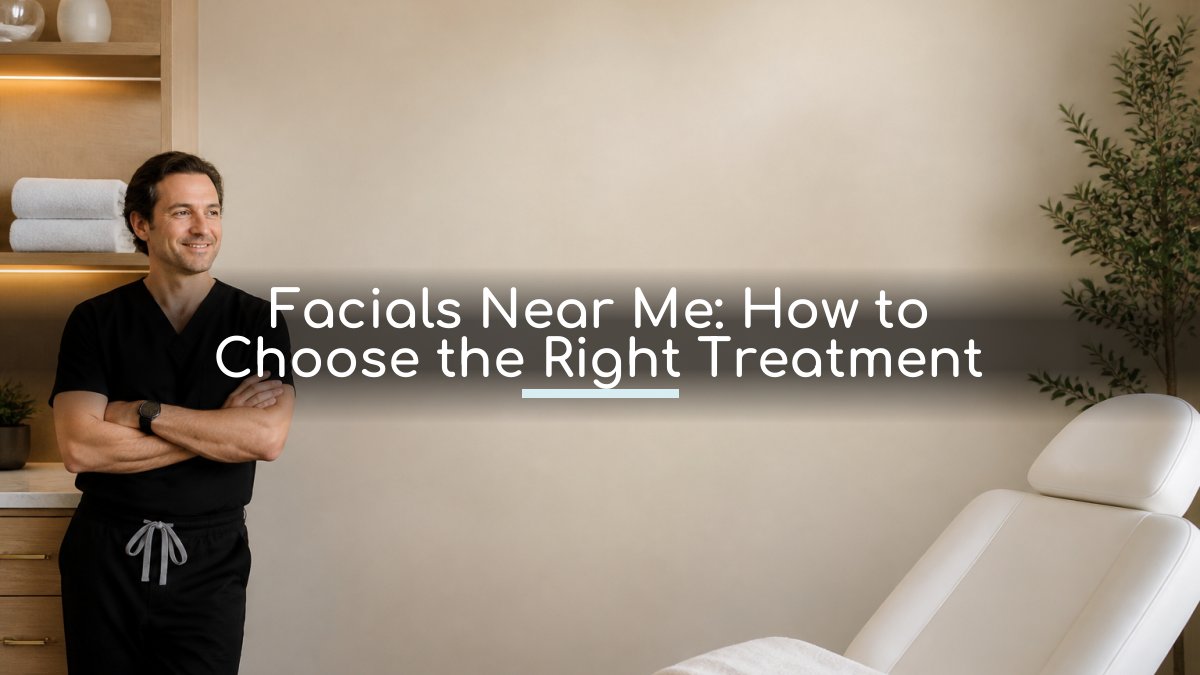
Facials Near Me: How to Choose the Right Treatment
Table of Contents
- Facials Near Me: How to Choose a Treatment That Fits Your Skin
- The Main Types of Facial Treatments Explained
- Choosing a Facial for Acne-Prone Skin
- What an Anti-Aging Facial Can and Cannot Do
- What to Expect Before, During, and After Your Appointment
- Provider Qualifications, Sanitation, and Safety
- What a Medical Spa Facial Offers Beyond a Standard Spa Visit
- Frequently Asked Questions
Last Updated: October 15, 2026
Facials Near Me: How to Choose a Treatment That Fits Your Skin
Searching for facials near me usually returns a long list of spas with similar-sounding menus. The harder question is which treatment actually matches your skin. The fix starts before you book: identify your skin type, your main concern, and how much downtime you can accept, then match the treatment to those three answers.
The word "facial" covers a wide range. A facial treatment is a professional skin care service that cleanses, exfoliates, and nourishes the face, often with extractions, massage, masks, and serums layered in. That definition matters because two facials can share a name and share almost nothing else.
The Main Types of Facial Treatments Explained
Facial treatments fall into two broad families: spa facials built around cleansing and relaxation, and clinical facials built around correction. Knowing which family you need narrows the field fast.
Classic, Deep-Cleansing, and Hydrating Facials
The classic facial is the baseline. It includes skin analysis, cleansing, exfoliation, steam, extractions if needed, a mask, moisturizer, and sunscreen. A deep-cleansing facial leans harder into pore cleansing and extractions, which suits oily and combination skin. A hydrating facial skips aggressive steps and focuses on moisture, calming serums, and barrier support, which suits dry or sensitive skin. These are the treatments most people picture when they search for facials near me, and they are a reasonable starting point if you have no major skin concerns.
Chemical Peels, Microdermabrasion, and HydroFacial
Chemical peels use acids to lift dead surface cells and improve skin tone and texture. Microdermabrasion does something similar with a mechanical exfoliating wand. HydroFacial combines cleansing, gentle exfoliation, extraction, and serum infusion in one session, which makes it a popular pick for people who want visible results with little downtime. All three target texture, dullness, and mild discoloration rather than simple relaxation.
| Treatment | Best For | Downtime | Typical Session Feel |
|---|---|---|---|
| Classic facial | Maintenance, first-timers | None | Relaxing |
| Deep-cleansing facial | Oily, congested, combination skin | None to minimal | Thorough, some pressure |
| Hydrating facial | Dry, sensitive skin | None | Calming |
| Chemical peel | Tone, texture, mild discoloration | Light flaking possible | Warm, tingling |
| Microdermabrasion | Dullness, rough texture | None to minimal | Gritty, brisk |
| HydroFacial | Texture plus hydration, event prep | None | Cool, wet, gentle |
Choosing a Facial for Acne-Prone Skin
A facial for acne is not the same as a facial for aging, and treating them interchangeably causes problems. Acne-prone skin needs gentle deep cleansing, careful pore cleansing, and extractions performed by someone trained to avoid spreading bacteria or over-manipulating active breakouts. Strong scrubs and aggressive peels can make inflammation worse, so the goal is calm, consistent clearing rather than a dramatic one-session fix.
If you have active cystic acne, open sores, or you are using prescription retinoids, tell your provider before the appointment. A good esthetician will adjust the plan or recommend you consult a dermatologist first. That is not a brush-off. It is the difference between a treatment that helps and one that sets your skin back two weeks.
What an Anti-Aging Facial Can and Cannot Do
An anti-aging facial can improve hydration, smooth surface texture, soften the look of fine lines, and give skin a healthier glow. It cannot restructure lost volume, lift sagging tissue, or erase deep wrinkles, because those changes sit below the surface that a facial reaches. Anyone promising otherwise is overselling.
What Facials Actually Change
The skin's outer layer, the stratum corneum, is where most facial results happen. Exfoliation removes dead cells that scatter light and make skin look dull. Hydration plumps that outer layer temporarily, which is why fine lines look softer for a day or two after a hydrating treatment. Massage increases circulation, which can reduce puffiness and give a short-term glow.
What facials do not reach is the dermis, where collagen and elastin live, and the deeper fat compartments that provide volume. That is why a facial cannot lift a sagging jawline or restore cheek volume. Those changes require treatments that work below the surface.
Treatment Categories and What Each Targets
| Category | Primary Target | Typical Result Duration |
|---|---|---|
| Hydrating facial | Surface hydration, barrier support | A few days |
| Exfoliating facial | Dullness, rough texture | About a week |
| Chemical peel | Tone, texture, mild discoloration | Weeks, with a series |
| Microneedling | Collagen stimulation, texture, scarring | Months, with a series |
| Radiofrequency | Skin tightening, collagen remodeling | Months, with a series |
Notice the pattern: the more a treatment targets the dermis, the longer results last and the more sessions it typically requires. Surface treatments are maintenance. Collagen-stimulating treatments are investments that build over time.
Setting Realistic Expectations
A single facial is not a transformation. It is a reset. The best results come from consistency: a maintenance schedule, a home routine that supports what the treatment does, and sun protection every day. Without sunscreen, you are undoing much of what any facial accomplishes.
That distinction saves you money. If your main concern is jawline laxity or volume loss, a series of facials may not deliver the desired results. Facials work best as maintenance alongside other treatments, not as a replacement for them. For clients with deeper concerns, facial rejuvenation can be paired with other options after a consultation, as the right plan depends on what is actually changing in your skin.
What to Expect Before, During, and After Your Appointment
Expect a short intake, a skin analysis, and a clear explanation of the plan before anything touches your face.
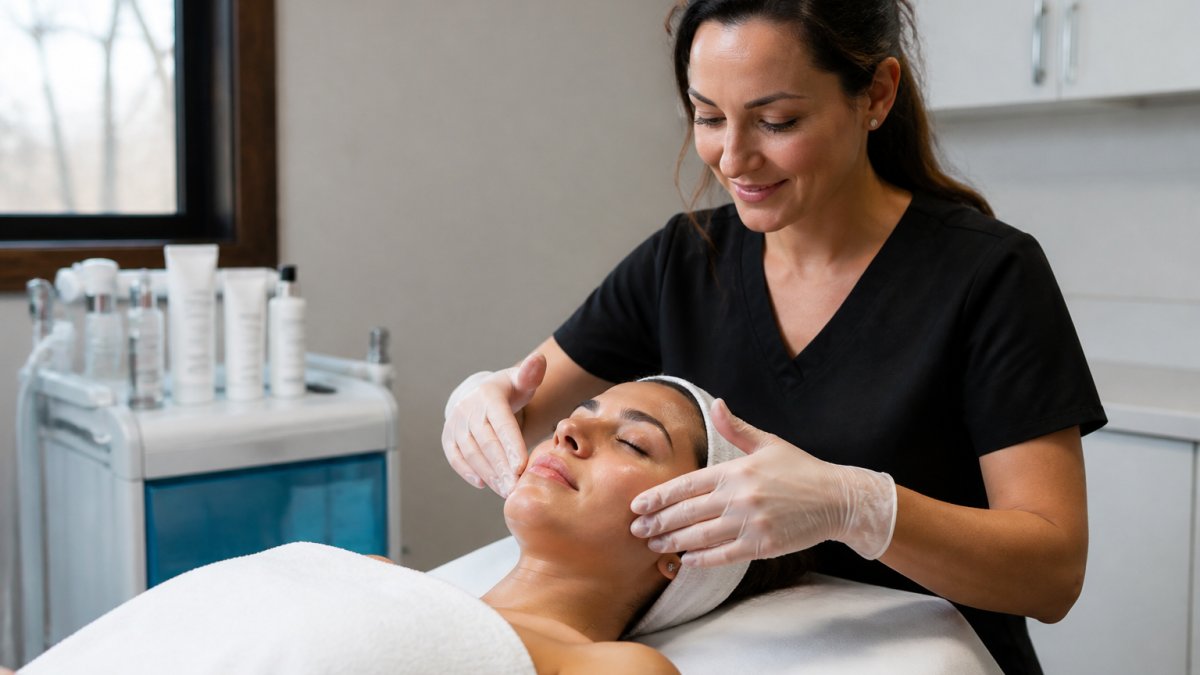
During the appointment, most facials follow a similar rhythm: cleanse, exfoliate, steam and extract if needed, apply a mask or serum, then finish with moisturizer and sunscreen.
Aftercare is where results are won or lost. Skip makeup for the rest of the day, avoid direct sun, and pause strong actives like retinoids for a few days. Use a gentle moisturizer and sunscreen, and drink water.
Provider Qualifications, Sanitation, and Safety
Ask who is performing your treatment and what their license and training are. Estheticians are licensed by the state, and in a medical spa setting they may work alongside a physician or clinical team. That structure matters for treatments that go beyond surface cleansing.
Sanitation is easy to check. Look for single-use tools, freshly laundered linens, clean hands and gloves, and sealed or freshly dispensed products. If a provider skips these basics, leave. No facial is worth a skin infection.
Contraindications deserve the same honesty. Active infections, open wounds, recent cosmetic procedures, certain medications, and pregnancy all change what is safe. Tell your provider everything, and ask directly whether the treatment you want is appropriate for you.
What a Medical Spa Facial Offers Beyond a Standard Spa Visit
A medical spa facial adds clinical oversight, medical-grade products, and technology you will not find in a day spa. The difference is not just marketing language. It shows up in who performs the treatment, what they are legally allowed to do, and how the practice handles a complication if one occurs.
The Structural Difference
A day spa typically operates under a cosmetology or esthetics license. That scope covers cleansing, exfoliation, massage, masking, and superficial product application. A medical spa operates under physician oversight, which expands what can legally be offered: stronger chemical peels, microneedling, laser and light devices, and injectables. The esthetician may still perform the facial, but a physician or mid-level provider is available for medical questions and adverse events.
That structure matters most when something goes wrong. A reaction to a strong peel, an unexpected breakout, or a pigment change needs a clinical response, not a customer-service response. Ask any provider you are considering how they handle a complication after hours. A clear answer is a good sign.
What Medical-Grade Actually Means
"Medical-grade" is not a regulated term, so treat it as a question, not a guarantee. What matters is the specific product and its concentration. A professional-strength peel may use a higher percentage of an acid than a retail product, which is why it requires training and oversight. The same logic applies to devices: a medical spa may offer microneedling, radiofrequency, or laser treatments that a day spa cannot legally operate.
How to Verify a Provider
Before booking, confirm three things:
- License status. Estheticians are licensed at the state level. Most state boards publish a free license lookup, so you can verify status and any disciplinary history in a few minutes.
- Training for the specific treatment. A general esthetics license does not mean someone is trained on every device or peel. Ask how many of the specific treatment they have performed and where they trained.
- Physician oversight. In a medical spa, ask who the supervising physician is and how often they are on site. The answer tells you whether the oversight is real or nominal.
What This Means for Your Facial
The practical difference shows up in personalization. A standard spa visit often follows a set menu; a medical spa facial starts with a skin analysis and builds the plan around your concerns, whether that is acne scarring, texture, or early signs of aging. It also means stronger options are available when gentler ones are not enough, with a clinical team that can advise on what to combine and what to space out.
If you are comparing providers, ask three questions: who performs the treatment, what training they hold, and how the spa handles complications. Transparent answers on all three are a better signal than any star rating.
Frequently Asked Questions
How do I choose the right facial for my skin type?
Start with your main concern rather than the treatment name. Dry skin usually responds to hydrating masks and serums, oily or acne-prone skin to deep cleansing and extractions, and mature skin to collagen-supporting options like chemical peels or microdermabrasion. Ask for a skin analysis during your consultation so the provider can confirm your skin type and goals before recommending anything. A qualified esthetician will adjust the plan based on how your skin reacts, not a fixed menu.
What is the difference between a spa facial and a medical-grade facial?
A standard spa facial focuses on cleansing, exfoliation, hydration, and relaxation. A medical spa facial goes further, using stronger exfoliating acids, medical-grade serums, and devices such as radiofrequency or HydraFacial technology. Because these treatments work at a deeper level, they are typically performed under the supervision of a physician or a licensed clinician. If your goal is anti-aging or acne scar improvement rather than general maintenance, a medical spa facial is usually the better fit.
How should I prepare for a facial appointment?
Arrive with clean skin and skip retinoids, exfoliating acids, and waxing for about a week beforehand to lower the risk of irritation. Tell your provider about any medications, allergies, recent cosmetic procedures, or active cold sores. Avoid heavy sun exposure the day before, and bring a list of the products you use at home so the esthetician can check for conflicts. If you have a skin condition or take prescription medication, check with your dermatologist first.
How much should I tip for a facial?
Tipping is customary in the United States but not required. Some medical spas that provide clinical treatments under physician supervision do not expect gratuity. Check your receipt or ask the front desk about the policy before you pay, since practices vary from one location to another.
Choosing the right facial comes down to matching treatment to skin, and that match is hard to make alone. Bella MedSpa offers personalized skin analysis, a clinical team led by an MD, and advanced technology for facial rejuvenation, so your plan reflects your skin rather than a standard menu. New patients can book a consultation and get a clear recommendation before committing to anything. Get started with Bella MedSpa and build a facial routine that actually fits your skin.