 comparison
7 Alternatives to Botox for Forehead Wrinkles That Actually Work
Last Updated: October 24, 2026
Quick Summary
Alternatives to botox for forehead wrinkles include topical treatments like retinol, injectable options such as Dysport and Xeomin, laser resurfacing, microneedling, and combination approaches that address both dynamic expression lines and static creases. The best choice depends on your wrinkle type, downtime tolerance, and skin characteristics.
- Dynamic wrinkles fade at rest and respond best to muscle-relaxing injectables, while static wrinkles visible even when relaxed require collagen-stimulating procedures like laser or microneedling.
- Retinol and prescription retinoids improve fine lines and texture over 8 to 12 weeks but cannot stop underlying muscle movement or erase deep creases.
- Dysport, Xeomin, and Daxxify are injectable alternatives with results visible in 3 to 14 days and lasting 3 to 6 months depending on the product.
- Fractional laser and microneedling require 3 to 5 sessions spaced 4 to 6 weeks apart, with results developing over 4 to 6 weeks as collagen forms.
- Combining topicals, injectables, and collagen-stimulating procedures produces better results than any single treatment for deep or mixed wrinkle patterns.
Table of Contents
- Why People Seek Alternatives to Botox for Forehead Wrinkles
- Understanding Forehead Wrinkles: Expression Lines vs. Deep Creases
- Topical Solutions: Retinol for Forehead Wrinkles and Other Skincare Options
- Injectable Alternatives: Dysport, Xeomin, and Daxxify
- Laser Treatment for Forehead Wrinkles and Skin Resurfacing
- Microneedling for Forehead Wrinkles and Collagen Stimulation
- Deep Forehead Wrinkles Treatment: Combining Approaches for Maximum Results
- Choosing Your Forehead Wrinkle Solution: A Decision Framework
- Frequently Asked Questions
Why People Seek Alternatives to Botox for Forehead Wrinkles
Forehead wrinkles are one of the first signs of aging. They form from decades of facial expressions, sun exposure, and the natural loss of collagen that happens over time.
At Bella MedSpa, we work with patients who want to address forehead wrinkles without injections, those who prefer a gradual approach, and others seeking longer-lasting results than traditional neurotoxins offer.
The key insight most guides miss: the best treatment depends on whether your wrinkles are dynamic (caused by muscle movement) or static (visible even when your face is relaxed). That distinction changes everything about which alternative will work for you.
Understanding Forehead Wrinkles: Expression Lines vs. Deep Creases
Forehead wrinkles fall into two distinct categories, and treating them requires different strategies.
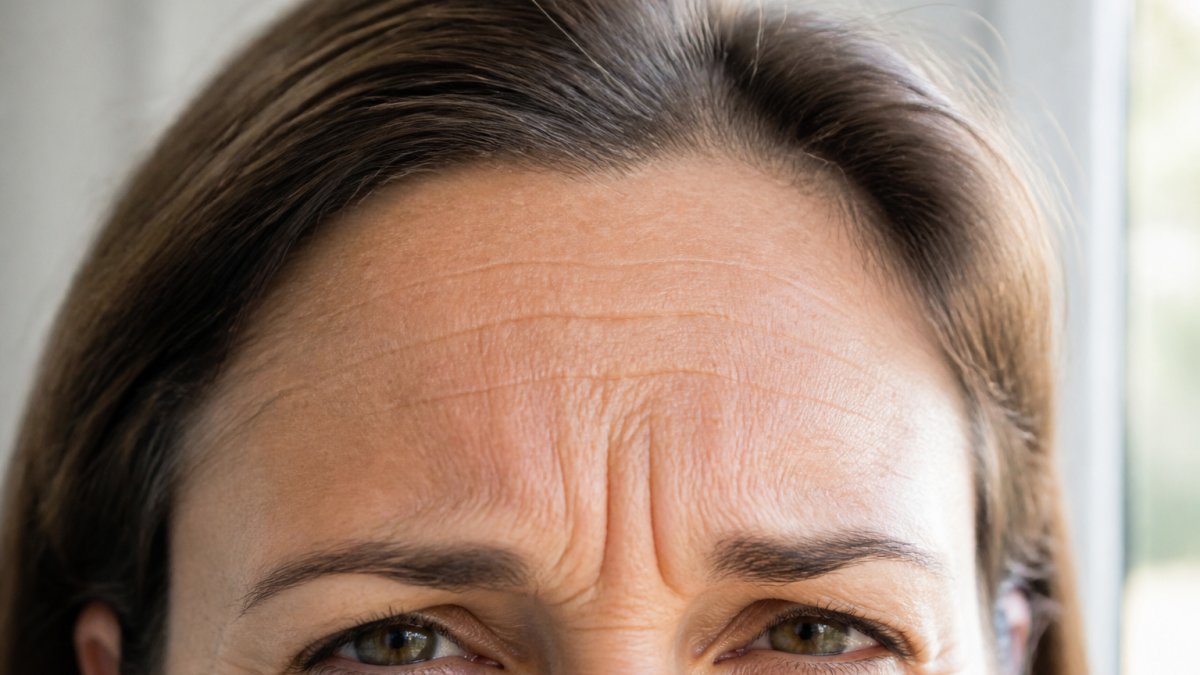
Expression lines (also called dynamic wrinkles) appear when you move your forehead muscles. These form from repeated facial expressions over decades. They fade when your face is at rest.
Static wrinkles (or deep creases) are visible all the time, even when your face is completely relaxed. These develop when expression lines become permanent creases in the skin.
This distinction matters because a treatment that works beautifully for expression lines may do little for deep creases.
Topical Solutions: Retinol for Forehead Wrinkles and Other Skincare Options
Topical treatments are the most accessible starting point for forehead wrinkles. They work gradually, carry minimal risk when used correctly, and cost far less than professional procedures.
A critical expectation to set up front: no topical product reproduces the muscle-relaxing effect of a neurotoxin. If your forehead lines are primarily dynamic (they appear when you raise your brows and fade at rest), topicals can soften the skin around them but will not stop the underlying muscle movement.
What the evidence actually supports
Retinol and prescription retinoids. Retinoids are the best-studied topical ingredients for photoaging. They increase cell turnover, support collagen production, and improve skin texture and tone.
Peptides. Peptides are short amino acid chains that can signal skin to support collagen.
Hyaluronic acid. Hyaluronic acid is a humectant: it draws water into the skin and temporarily plumps the appearance of fine lines.
Vitamin C. Vitamin C serums provide antioxidant protection and support collagen synthesis, and they complement sunscreen in limiting photoaging.
Sunscreen. Daily broad-spectrum sunscreen is the single most evidence-supported anti-aging step. It prevents new photodamage and protects the gains from retinoids and procedures.
Safety and who should be cautious
- Irritation: Retinoids commonly cause redness, dryness, and peeling in the first weeks. Introduce slowly and buffer with moisturizer if needed.
- Pregnancy and breastfeeding: Avoid retinoids; consult a clinician about pregnancy-safe alternatives.
- Sensitive or reactive skin: Patch test new actives and avoid stacking multiple irritating ingredients at once.
- Sun sensitivity: Retinoids and some acids increase sensitivity; consistent sunscreen use is essential.
- Realistic ceiling: Topicals slow aging and improve texture but will not erase deep creases or stop dynamic muscle movement. For pronounced expression lines or deep static wrinkles, they work best as part of a combination strategy.
Injectable Alternatives: Dysport, Xeomin, and Daxxify
If you want results similar to Botox but are open to injections, three alternatives deliver comparable outcomes with subtle differences.
Dysport is a botulinum toxin that works like Botox by relaxing facial muscles.
Xeomin is a "naked" botulinum toxin, meaning it lacks the protective proteins that Botox and Dysport contain.
Daxxify is the longer-lasting option. According to the supplied research, it's identified as a longer-lasting injectable alternative. Results last up to 6 months compared to Botox's typical 3 to 4 months.
All three are prescription injectables requiring administration by a qualified provider. Results are temporary, requiring maintenance treatments to sustain the effect. The choice between them often comes down to your provider's experience, your skin's response, and whether you prioritize faster results or longer duration.
Laser Treatment for Forehead Wrinkles and Skin Resurfacing
Laser resurfacing addresses static wrinkles by removing damaged skin layers and stimulating collagen remodeling. This approach works for deeper creases that topical treatments can't reach.
Fractional lasers target a fraction of your skin at a time, leaving surrounding skin intact to accelerate healing. This reduces downtime compared to full-surface resurfacing.
Non-ablative lasers heat deeper skin layers without removing the surface, making them gentler with minimal downtime.
Radiofrequency devices use heat to stimulate collagen without laser energy.
Laser treatment produces noticeable improvement in skin texture and fine lines within weeks. Deep wrinkles improve but may not disappear completely. Most people need maintenance treatments annually.
Microneedling for Forehead Wrinkles and Collagen Stimulation
Microneedling creates controlled micro-injuries to trigger your body's natural healing response and collagen production. It's less aggressive than laser resurfacing but effective for fine lines and early wrinkles.
The procedure uses a device with fine needles that puncture the skin at precise depths. This stimulates fibroblasts (collagen-producing cells) without removing skin.
Standard microneedling works well for fine lines and mild wrinkles. Needle depth and frequency determine intensity.
Radiofrequency microneedling combines needling with heat for stronger collagen stimulation. Results appear faster and last longer than standard microneedling, but recovery is slightly longer.
Downtime is minimal compared to laser: mild redness and sensitivity for 24 to 48 hours. For guidance on microneedling for forehead wrinkles and finding a qualified provider, preparation and provider selection are critical. Learn how to find a qualified microneedling provider in your area.
Deep Forehead Wrinkles Treatment: Combining Approaches for Maximum Results
The most effective strategy for deep forehead wrinkles combines multiple treatments. No single approach addresses every aspect of aging skin.
A typical combination might look like this:
| Approach | Best For | Timeline | Frequency |
|---|---|---|---|
| Retinol + sunscreen | Daily maintenance and prevention | Ongoing | Daily |
| Laser or microneedling | Collagen stimulation and texture | 4-6 weeks for results | 3-5 sessions |
| Injectable alternatives | Dynamic wrinkles and muscle movement | 3-14 days for results | Every 3-6 months |
| Chemical peels | Surface exfoliation and cell turnover | 1-2 weeks for results | Monthly or quarterly |
Starting with topical treatments and professional procedures gives you layered improvement. Retinol addresses fine lines and prevents new damage. Laser or microneedling stimulates deep collagen. Injectable alternatives smooth dynamic wrinkles. Together, they produce results that exceed any single treatment.
The timeline matters: you'll see immediate smoothing from injectables, gradual improvement from topical treatments over weeks, and structural improvement from collagen-stimulating procedures over months. Patience combined with consistency produces the best outcomes.
Choosing Your Forehead Wrinkle Solution: A Decision Framework
Most guides list options without helping you choose between them. This framework matches treatments to your wrinkle type, skin, schedule, and risk tolerance so you can narrow the field before booking a consultation.
Step 1: Identify your dominant wrinkle type
Look at your forehead in a mirror, first at rest and then while raising your brows.
- Mostly dynamic (expression lines): Lines appear with movement and fade at rest. Muscle-relaxing injectables are the most direct option; topicals and collagen-stimulating procedures play a supporting role.
- Mostly static (creases at rest): Lines are visible even when relaxed. Collagen-stimulating procedures (laser, microneedling, radiofrequency) and resurfacing are more relevant; injectables alone will not fill a crease.
- Mixed: Most people over 50 have both. A combination approach, relaxing movement while rebuilding collagen, typically produces the best result.
Step 2: Match downtime to your schedule
| Downtime tolerance | Suitable options | Typical recovery |
|---|---|---|
| None | Topicals, injectables | No visible downtime (minor redness or bumps that resolve within hours) |
| 1-2 days | Standard microneedling, gentle peels | Mild redness and sensitivity |
| 3-7 days | Fractional laser, deeper peels | Visible redness and peeling |
Step 3: Set a realistic timeline
- Injectables: Visible smoothing within 3 to 14 days depending on the product; maintenance every 3 to 6 months.
- Topicals: 8 to 12 weeks for early change; continued improvement over months.
- Collagen-stimulating procedures: 4 to 6 weeks for initial results, with continued improvement for several months; often 3 to 5 sessions.
Step 4: Factor in skin characteristics and safety
- Sensitive or reactive skin: Start with gentler options, topicals introduced slowly, non-ablative treatments, or standard microneedling, rather than aggressive resurfacing.
- Darker skin tones: Some lasers and peels carry a higher risk of post-inflammatory hyperpigmentation. A provider experienced with your skin type should select devices and settings accordingly.
- History of cold sores: Resurfacing and needling can trigger outbreaks; discuss antiviral prophylaxis with your provider.
- Pregnancy or breastfeeding: Avoid retinoids and defer elective injectables and resurfacing; consult a clinician.
- Medications and bleeding risk: Blood thinners and some supplements increase bruising with injectables and needling.
Step 5: Choose a starting point
- Prevention-focused, minimal risk: Daily sunscreen plus a retinoid, introduced gradually.
- Dynamic lines, no downtime: A muscle-relaxing injectable, with topicals for skin quality.
- Static creases, willing to recover: A collagen-stimulating procedure series, supported by topicals and sun protection.
- Deep creases and mixed patterns: A staged combination plan built with a qualified provider.
At Bella MedSpa, we build each plan around your wrinkle type, skin, schedule, and comfort level. The right alternative to Botox for forehead wrinkles is the one that fits your goals and your life, not simply the most popular option.
Frequently Asked Questions
What are the best alternatives to Botox for forehead wrinkles?
Several effective alternatives to Botox for forehead wrinkles exist, ranging from topical treatments to professional procedures. Retinol and prescription retinoids can reduce fine lines over time. Injectable alternatives like Dysport, Xeomin, and Daxxify work similarly to Botox but may offer different onset times or duration. Professional treatments including laser resurfacing, microneedling, and radiofrequency procedures stimulate collagen production to smooth wrinkles. The best choice depends on your wrinkle depth, skin type, downtime tolerance, and desired results timeline.
How long do results from non-Botox wrinkle treatments last?
Results vary significantly by treatment type. Topical retinol requires consistent daily use to maintain benefits, typically showing improvement over 8-12 weeks. Injectable alternatives like Dysport and Xeomin last 3-4 months on average, similar to Botox. Daxxify may provide longer-lasting results. Laser resurfacing and microneedling produce results that improve over several months as collagen rebuilds, with effects lasting 6-12 months or longer depending on skin maintenance and sun protection. Combining treatments often extends results.
Can skincare products really reduce forehead wrinkles?
Topical skincare products can reduce the appearance of fine lines and prevent new wrinkles, but results depend on consistency and product quality. Retinol and prescription retinoids are the most evidence-backed ingredients for stimulating collagen production and improving skin texture. Peptides, hyaluronic acid, and neuropeptides in serums and creams can plump skin temporarily and support skin elasticity. However, topical treatments work best on fine lines and expression lines rather than deep static wrinkles. They require months of daily use and work best as prevention or maintenance alongside professional treatments.
What is the difference between dynamic and static forehead wrinkles?
Dynamic wrinkles are expression lines that form when you move your facial muscles, such as frowning or raising your eyebrows. They fade when you relax your face. Static wrinkles remain visible even at rest and develop over time from repeated muscle movement and loss of collagen and skin elasticity. Botox and similar neuromodulators work best on dynamic wrinkles by relaxing muscle movement. Static wrinkles require treatments that rebuild collagen, such as laser resurfacing, microneedling, or dermal fillers, or a combination approach for best results.
Deep forehead wrinkles respond best to a combination of professional treatments and consistent skincare. If you're ready to explore options tailored to your specific concerns, our team at Bella MedSpa can guide you through each approach and create a customized plan. We offer advanced technology and personalized care to help you achieve natural-looking results. Book a consultation today and discover which combination of treatments will work best for you.