 how-to
Is Laser Skin Resurfacing Worth It for Beginners
Last Updated: October 23, 2026
Quick Summary
Is laser skin resurfacing worth it for beginners depends on whether your skin concern responds well to laser treatment, you can handle the recovery time, and your expectations are realistic. Most beginners who choose the right laser type, often fractional non-ablative, see noticeable improvement and feel the investment paid off.
- Non-ablative lasers require minimal downtime of hours to one day, while ablative lasers require 1-2 weeks of recovery.
- Fractional laser resurfacing treats only a fraction of skin at a time, allowing faster healing and making it a gentler entry point for beginners.
- Laser resurfacing effectively treats fine lines, wrinkles, acne scars, sun damage, age spots, and uneven skin tone.
- Results take 3-6 months as collagen remodeling continues, with initial improvements visible within 2-3 weeks.
- Pigmentation changes carry higher risk in darker skin tones, requiring a provider experienced with your specific skin type.
Table of Contents
- What Laser Skin Resurfacing Is and How It Works
- Ablative vs. Non-Ablative Laser Resurfacing: Which Is Better for Beginners
- Fractional Laser Resurfacing: A Gentler Entry Point
- What Skin Concerns Can Laser Skin Resurfacing Treat
- Laser Skin Resurfacing Recovery Time and What to Expect
- Risks, Side Effects, and When Laser Resurfacing Isn't Right for You
- Laser Skin Resurfacing Alternatives Worth Considering
- Is It Worth It? A Beginner's Decision Framework
- Frequently Asked Questions
What Laser Skin Resurfacing Is and How It Works
There are two main types: ablative and non-ablative. Ablative lasers remove the top skin layer completely. Non-ablative lasers work deeper without removing skin. Both work, but they feel different and have different recovery times.
Think of it like resurfacing a wood floor. You sand away the damaged top layer to reveal fresh wood underneath. Your skin does the same thing, it heals itself with newer, healthier cells.
At Bella MedSpa, we help patients understand which approach fits their goals and lifestyle. Some people want dramatic results and can handle downtime. Others need to stay work-ready.
Ablative vs. Non-Ablative Laser Resurfacing: Which Is Better for Beginners
Ablative laser resurfacing removes the entire outer skin layer. It delivers stronger results but requires real downtime. Your skin will be red, swollen, and sensitive for days or weeks.
Non-ablative laser resurfacing heats the deeper skin layers without removing the surface. Results come slower, but you can return to normal activities within hours.
Here's the honest trade-off:
| Approach | Results Timeline | Downtime | Best For |
|---|---|---|---|
| Ablative | Dramatic, visible within weeks | 1-2 weeks minimum | Deep wrinkles, severe scarring, willing to pause activities |
| Non-ablative | Gradual, visible after 3-4 sessions | Few hours to 1 day | Fine lines, mild damage, need to stay active |
For beginners, non-ablative often makes more sense, which is why is laser skin resurfacing worth it for beginners is really a question about choosing the right laser type for your lifestyle.
The catch: ablative works faster. One session can do what non-ablative needs three or four sessions to achieve. But you're trading speed for recovery burden.
Fractional Laser Resurfacing: A Gentler Entry Point
Fractional laser resurfacing treats only a fraction of your skin at a time, leaving untreated skin in between. This speeds healing because healthy skin surrounds treated areas.
Think of it as treating your face in a checkerboard pattern instead of all at once. Your skin heals faster because it has nearby healthy tissue to draw from.
Fractional lasers come in ablative and non-ablative versions. Fractional ablative removes thin columns of skin. Fractional non-ablative heats deeper layers in a pattern. Both are gentler than full-coverage treatments.
Most beginners start with fractional non-ablative. You get visible improvement after 3-4 sessions. Downtime is minimal. Results aren't as dramatic as full ablative, but they're real.
What Skin Concerns Can Laser Skin Resurfacing Treat
Laser skin resurfacing addresses multiple concerns, but works best on specific ones. Fine lines and wrinkles respond well because the treatment stimulates collagen production. Your skin plumps up naturally.
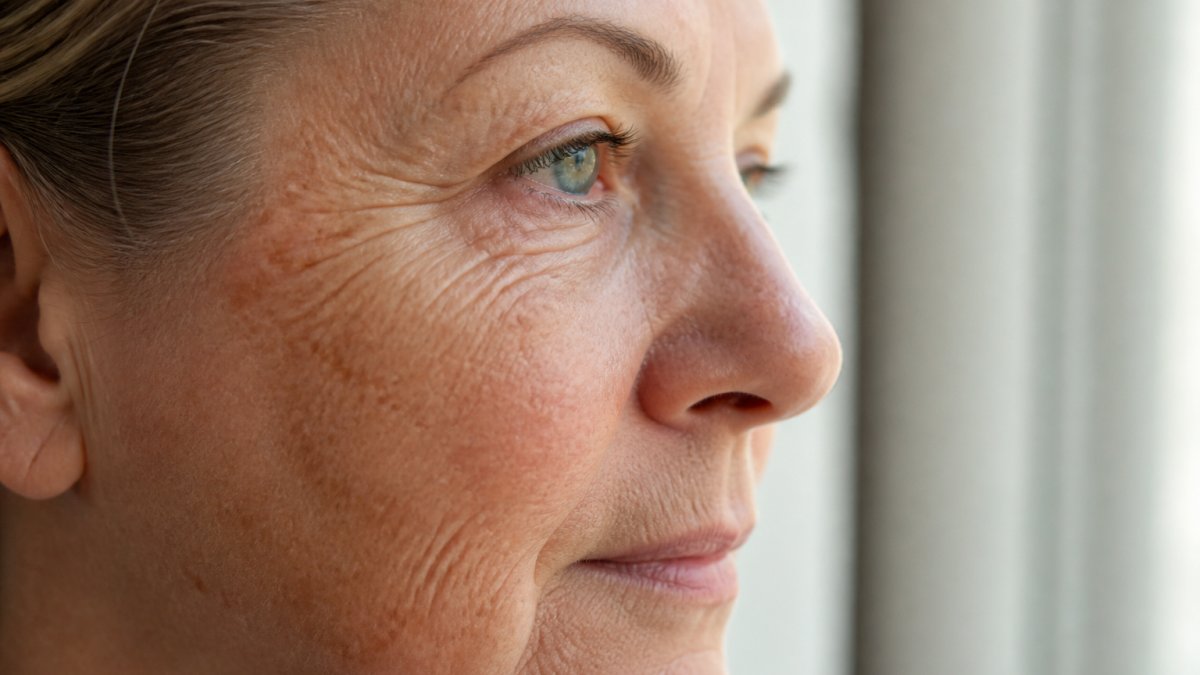
Acne scars improve because the laser removes scar tissue and triggers new skin growth. Deep pitted scars need multiple sessions, but shallow scars often improve significantly after one or two treatments.
Sun damage, age spots, and uneven skin tone all respond to laser resurfacing. The treatment removes damaged pigment and evens out discoloration.
Common concerns treated:
- Fine lines and wrinkles on forehead, around eyes, mouth
- Acne scars and pitted texture
- Sun damage and age spots
- Uneven skin tone and pigmentation
- Rough skin texture
- Mild skin laxity (slight tightening effect)
What doesn't work as well: very deep wrinkles sometimes need filler or injectables alongside laser work. Severe skin laxity might need different treatments. A consultation helps clarify what's realistic for your specific concerns.
Laser Skin Resurfacing Recovery Time and What to Expect
Recovery depends on which laser you choose. Non-ablative recovery is short. Your skin might be pink for a few hours. You can wear makeup the next day and return to work immediately.
Ablative recovery is longer. Expect redness and swelling for 5-7 days. Peeling happens for 1-2 weeks. You'll look noticeably treated during this time. Most people take a week off work.
Fractional approaches fall in the middle. You'll have some redness and mild peeling for 3-5 days.
During recovery, your skin is sensitive. Sun protection is essential. Avoid harsh products. Keep skin moisturized. Follow your provider's aftercare instructions closely.
Most people see initial results within 2-3 weeks as swelling goes down and new skin appears. Full results take 3-6 months as collagen remodeling continues. Your skin keeps improving for months after treatment.
Risks, Side Effects, and When Laser Resurfacing Isn't Right for You
Laser skin resurfacing is generally safe when performed by an experienced provider, but it's not risk-free. Understanding the common and uncommon side effects helps you decide whether the trade-off is worth it.
Common, temporary side effects include redness (erythema), swelling, mild discomfort, and peeling. These resolve within days to a couple of weeks depending on the laser type. Non-ablative treatments typically cause a few hours of pinkness; ablative treatments can leave skin red for 1-2 weeks.
Less common but more serious risks include:
- Infection, rare with proper aftercare, but possible if you don't follow wound-care instructions.
- Scarring, uncommon, but more likely if you pick at healing skin or have a history of keloids.
- Pigmentation changes, post-inflammatory hyperpigmentation (darkening) or hypopigmentation (lightening) can occur, especially in darker skin tones (Fitzpatrick types IV-VI). This is the most important risk to discuss with your provider.
- Cold sore reactivation, if you have a history of herpes simplex, antiviral prophylaxis is often prescribed.
- Eye injury, rare with proper eye protection during treatment.
Skin tone matters. Laser resurfacing carries a higher risk of pigmentation changes in darker skin tones because the laser targets pigment as well as water.
When laser resurfacing isn't right for you:
- Active infections, open wounds, or active acne in the treatment area
- Pregnancy or breastfeeding
- Use of photosensitizing medications (e.g., isotretinoin within the past 6-12 months, some antibiotics)
- History of keloids or poor wound healing
- Unrealistic expectations or inability to commit to aftercare and sun protection
- Certain autoimmune or skin conditions
Questions to ask at a consultation:
- How many laser resurfacing treatments have you performed on patients with my skin tone and concern?
- Which device will you use, and why is it appropriate for me?
- What are the realistic outcomes and how many sessions will I need?
- What is the total cost, including follow-up visits and aftercare products?
- What is your plan if I develop a complication like hyperpigmentation or infection?
- What should I do before and after treatment to minimize risk?
A qualified provider will tailor the approach to your skin and history, which is the best way to reduce risk and set realistic expectations.
Laser Skin Resurfacing Alternatives Worth Considering
If laser resurfacing doesn't fit your needs, several alternatives can address similar concerns with different trade-offs.
Chemical peels use acids (like glycolic, salicylic, or trichloroacetic acid) to remove skin layers.
Microneedling creates controlled micro-injuries with fine needles to trigger collagen.
Radiofrequency (RF) treatments heat the dermis to stimulate collagen without removing surface skin.
Microdermabrasion physically exfoliates the top layer. It's gentle, with no downtime, but results are subtle and best for mild texture and dullness.
Topical retinoids and acids (prescription tretinoin, over-the-counter retinol, or AHA/BHA serums) improve tone and texture over months with no downtime.
Injectables like Botox and dermal fillers address dynamic wrinkles and volume loss, not skin quality.
| Alternative | Best For | Typical Sessions | Downtime | Cost Considerations |
|---|---|---|---|---|
| Chemical peel (superficial) | Fine lines, mild discoloration | 3-6 | 1-2 days | Low |
| Microneedling | Acne scars, texture | 3-6 | 24-48 hours | Moderate |
| Radiofrequency | Mild laxity | 3-4 | Hours | Moderate |
| Microdermabrasion | Dullness, mild texture | 4-6 | None | Low |
| Topical retinoids | Tone, texture (gradual) | Daily use | None | Low |
| Injectables | Wrinkles, volume loss | 1 (repeat every 3-12 months) | Hours | Varies |
Is It Worth It? A Beginner's Decision Framework
Laser skin resurfacing is worth it if three conditions align: your concern responds well to laser treatment, you can handle the recovery, and your expectations are realistic.
Ask yourself these questions:
About your concern: Does laser resurfacing actually treat what bothers you? Fine lines, sun damage, and mild scars? Yes. Deep wrinkles alone or severe laxity? Maybe not the best first choice.
About your recovery tolerance: Can you handle 1-2 weeks of visible treatment effects? Or do you need to stay work-ready? This determines whether ablative or non-ablative fits your life.
About your expectations: Are you seeking noticeable improvement or perfection? Laser resurfacing refreshes and refines. It doesn't erase decades of aging or stop time.
About your commitment: Will you protect your skin from sun exposure afterward? Will you follow aftercare instructions? Your effort during recovery determines your results.
When all three align, the right concern, manageable recovery, realistic goals, laser skin resurfacing delivers real value. Most beginners who choose the right laser type (often fractional non-ablative) see noticeable improvement and feel the investment paid off.
If you're uncertain, start with a consultation.
Frequently Asked Questions
Is laser skin resurfacing worth it if I'm just starting out with aesthetic treatments?
Laser skin resurfacing can deliver noticeable results for fine lines, sun damage, and skin texture, but it's not the right first step for everyone. Non-ablative options like fractional laser offer gentler results with less downtime, making them a lower-risk starting point. Beginners should consider their specific skin concerns, tolerance for downtime, and budget before committing. A consultation with a qualified provider helps determine whether laser resurfacing or a gentler alternative better matches your goals and lifestyle.
How long does recovery from laser skin resurfacing take?
Recovery time varies significantly by treatment type. Non-ablative fractional laser resurfacing typically involves minimal downtime, with mild redness lasting a few days. Ablative laser resurfacing requires more extensive healing, often 1 to 2 weeks of visible redness and peeling before you feel comfortable in public. Full collagen remodeling continues for months after either type. Your provider will give you specific aftercare instructions to support healing and protect your results.
What's the difference between ablative and non-ablative laser resurfacing for beginners?
Ablative lasers remove the top skin layers, delivering dramatic results but requiring significant downtime and carrying higher risks. Non-ablative lasers heat deeper skin without removing the surface, producing gentler results with minimal downtime. For beginners, non-ablative or fractional laser resurfacing offers a safer entry point with less recovery disruption. Ablative treatments are better suited to patients willing to invest time in healing and seeking more dramatic transformation.
Are there effective alternatives to laser skin resurfacing I should consider?
Yes. Microneedling, chemical peels, and radiofrequency treatments address similar concerns with different risk and downtime profiles. Injectables like Botox target dynamic wrinkles, while dermal fillers address volume loss. Each approach has distinct benefits and limitations. A consultation with a qualified provider helps you compare which alternative aligns best with your skin type, concerns, budget, and downtime tolerance before choosing laser skin resurfacing.
Laser skin resurfacing can deliver noticeable improvement for the right concerns and the right candidate. At Bella MedSpa, our team helps you navigate this decision with a personalized consultation. Dr. Craig Schacher and our clinical advisors assess your skin, discuss your goals, and recommend whether laser resurfacing or another treatment approach fits your needs. We're here to guide you toward results that enhance your natural beauty. New Patients Book Now!