 how-to
Cellulite Treatment Near Me: A Local Guide
Table of Contents
- Understanding Cellulite and Your Treatment Options
- How Cellulite Reduction Treatments Work
- What to Expect During a Cellulite Treatment Consultation
- How to Choose a Cellulite Treatment Provider
- Treatment Sessions and Recovery from Cellulite Treatment
- Realistic Results and Durability
- Safety, Candidacy, and Medical Considerations
- Frequently Asked Questions
Last Updated: October 20, 2026
Understanding Cellulite and Your Treatment Options
Cellulite treatment near me is a search many adults begin when they're ready to address dimpled skin on the thighs, buttocks, or abdomen.
When you search for cellulite treatment near me, you're looking for options that actually work. Modern medical aesthetics offers several proven approaches, energy-based treatments, massage technologies, and radiofrequency devices, that reduce cellulite's appearance and improve skin texture by targeting structural changes beneath the skin.
Understanding what's available locally helps you make an informed decision. Rather than accepting dimpled skin as permanent, many people find targeted treatment delivers noticeable improvement, the key is a provider with the right technology and expertise.
How Cellulite Reduction Treatments Work
Cellulite reduction treatments address the problem at multiple levels. Some target the fibrous bands pulling skin downward; others stimulate collagen production to thicken and strengthen the skin. Understanding each mechanism helps you evaluate which option aligns with your goals.
Radiofrequency and Energy-Based Devices
Radiofrequency technology delivers controlled heat beneath the skin's surface, stimulating collagen remodeling and tightening connective tissue.
Infrared light therapies work similarly but use different wavelengths to penetrate the skin and encourage tissue remodeling.
Both radiofrequency and infrared approaches are non-surgical with minimal downtime, most people return to normal activities immediately. Results are gradual rather than overnight, but tend to be natural-looking and sustainable.
Massage and Suction Technologies
Massage-based cellulite treatment uses mechanical action to break up fibrous bands and improve circulation.
Suction-based technologies draw skin upward, temporarily reducing dimples and improving blood flow. Combined with radiofrequency or other energy sources, suction enhances the overall effect and helps break up the fibrous septae that create the dimpled appearance.
Many patients prefer these gentler approaches because they feel more like a therapeutic massage than a medical procedure, with results that build gradually.
What to Expect During a Cellulite Treatment Consultation
When you schedule a cellulite treatment consultation, expect a thorough evaluation of your skin and a discussion of realistic outcomes.
The provider should explain how different technologies work and which suits your situation, plus the number of sessions needed, recovery, and realistic results.
A good consultation also educates you about what cellulite is and why it develops, helping you set appropriate expectations.
How to Choose a Cellulite Treatment Provider
Most ranking pages for this search are clinic landing pages that list a device and a book button. Almost none teach you how to vet the practice behind the device. This section fills that gap with a practical checklist you can run before you book.
Verify credentials against a public source, not a brochure
Aesthetic practices in the U.S. are regulated at the state level, and rules for who may perform energy-based and injectable treatments vary. Before your consultation, confirm three things:
- The treating clinician's license is active. Physicians are licensed through a state medical board; nurse practitioners and physician assistants through a state nursing or PA board. Most boards publish a free license lookup, and a legitimate practice will not hesitate to give you the clinician's full name and license type.
- The practice's medical director is named. Many states require a physician to oversee medical spa services even when a nurse or PA performs the treatment. Ask who that physician is and how often they are on site.
- The device is cleared for cellulite, not just for skin tightening. In the U.S., devices reach the market through FDA clearance or approval, and the cleared indication is printed on the label. Ask to see the indication statement for the specific device the practice plans to use on you. A radiofrequency or laser platform cleared for general dermatologic use is not the same as one cleared specifically for cellulite.
Ask these questions at the consultation
Bring this list. The quality of the answers tells you as much as the answers themselves.
- Which device will you use on me, and what is its FDA-cleared indication?
- How many cellulite patients have you personally treated with this device in the past year?
- What result do you expect for my cellulite grade, and what would you consider a failure?
- How many sessions, spaced how far apart, and what happens if I stop halfway through?
- What is your protocol if I have a complication such as a burn, blister, or prolonged swelling?
- Who performs the treatment, the clinician I consulted with, or a technician?
- Can I see unretouched before-and-after photos of patients with my skin tone and body type?
A provider who cannot answer questions 1, 3, and 5 clearly is not the right fit, regardless of how the practice markets itself.
Match the technology to your cellulite pattern
Cellulite is not one condition. Dimpling from tethered fibrous septae responds to different technology than laxity from thin skin or volume shifts from weight change. A practice that offers only one device will recommend it for everyone; one that offers several can explain why one fits your pattern. Ask the provider to describe your cellulite in structural terms, tethering, skin thickness, fat distribution, and connect that to the recommended treatment.
Check the practical logistics before you commit
- Distance and follow-up. Energy-based cellulite protocols typically require a series of visits spaced weeks apart. A practice an hour away may be fine for a single consultation but punishing across six sessions. Confirm the follow-up schedule before you book.
- Who handles after-hours concerns. Ask for a phone number or portal for post-treatment questions and confirm who answers it.
- Consent and photography. A reputable practice uses written informed consent and stores clinical photos securely. Ask how your images are used and whether you can decline photography.
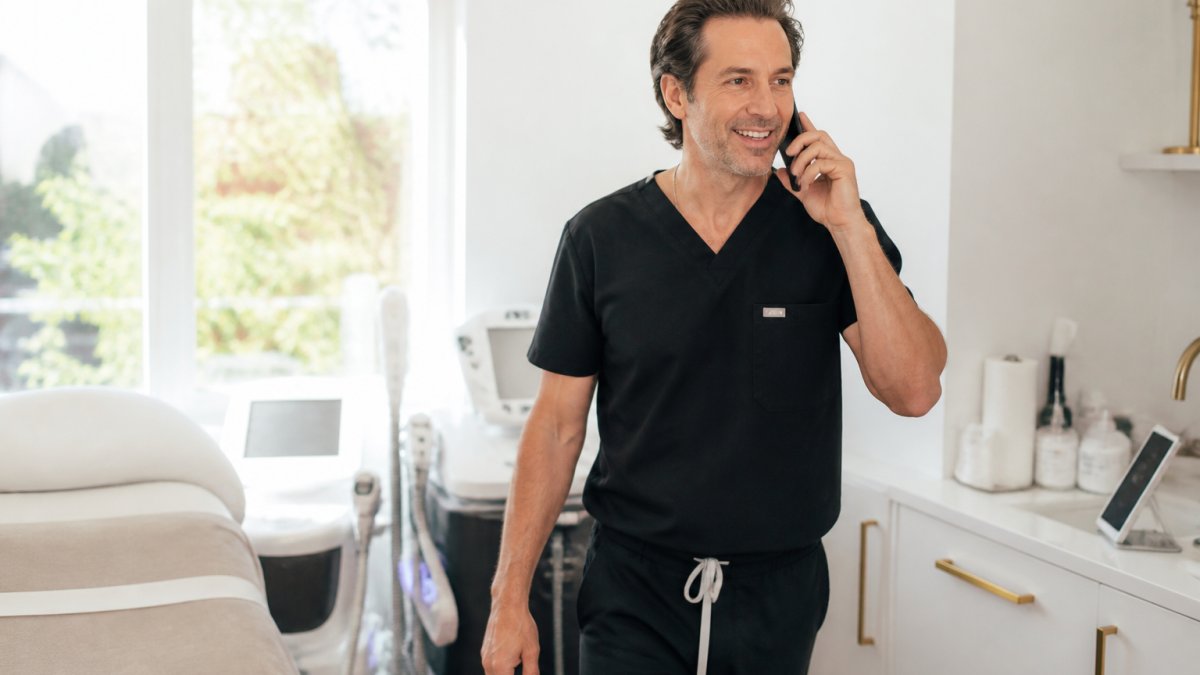
At Bella MedSpa, the practice is happy to discuss credentials, device indications, and treatment planning in detail during your consultation.
Treatment Sessions and Recovery from Cellulite Treatment
Most cellulite treatment plans involve multiple sessions spaced several weeks apart, depending on severity and technology.
Sessions typically last 30-60 minutes, depending on the treatment area and technology.
Recovery is minimal, you can return to normal activities immediately in most cases. Some patients experience mild redness or warmth in the treated area, typically resolving within hours.
Aftercare is straightforward: stay hydrated, avoid intense heat immediately after treatment, and follow your provider's instructions.
Realistic Results and Durability
Competing pages tend to promise 'smoother skin' and 'long-lasting results' and stop there. This section explains what improvement actually looks like, what determines how much you get, and how to plan for durability so you are not surprised when results soften.
What improvement actually looks like
Cellulite treatment does not remove cellulite. It changes the appearance of the skin surface by remodeling collagen, loosening tethers, or improving local circulation, depending on the technology. Improvement shows up in three ways:
- Depth of dimpling. The depressions become shallower and less shadowed under overhead light.
- Skin surface texture. The skin feels and looks smoother, with less of the quilted pattern.
- Skin tone and firmness. Treated areas often look tighter and more even, which reads as improvement even where dimples remain.
The honest expectation is meaningful improvement, not elimination. Anyone promising a completely smooth surface is overselling, and the FDA-cleared labeling for these devices does not support that claim.
What determines how much you get
Results vary widely between patients using the same device and protocol. The main drivers:
- Cellulite grade and pattern. Mild dimpling that appears mainly with compression responds better than deep, tethered dimpling or laxity from thin skin.
- Skin thickness and elasticity. Thicker, more elastic skin remodels more visibly; very thin or sun-damaged skin may show subtler change.
- Body composition and weight stability. Significant weight change during or after treatment can blunt or reverse results.
- Adherence to the session schedule. Protocols are built around a series; skipping sessions reduces the cumulative effect.
Because these factors interact, no responsible provider will quote a precise percentage before examining you. Ask instead for a range and for the specific features of your cellulite that drive the estimate.
The timeline: when to judge your result
Collagen remodeling continues for weeks after the last session, so the earliest fair judgment point is roughly one to three months after completing the series. Judging at two weeks undersells the result; judging at six months without maintenance oversells its durability. Take standardized photos in the same lighting at baseline, at the end of the series, and at three months, and compare those rather than your memory.
Durability and maintenance planning
Cellulite is a structural feature of skin and fat, not a condition that is cured. Results soften over time as collagen turns over and as weight, hormones, and aging shift the underlying tissue.
Lifestyle factors support durability but do not replace treatment: stable weight, adequate hydration, resistance training, and daily sun protection all help. None will remove cellulite on their own, and none should be presented as a substitute for treatment.
Safety, Candidacy, and Medical Considerations
Cellulite treatment is generally safe for most adults, but certain medical conditions or medications may affect candidacy.
Pregnancy, active infections, and certain skin conditions may require you to wait, and some medications increase skin sensitivity or affect healing.
Common side effects are minimal and temporary, mild redness, warmth, and slight swelling typically resolve within hours.
Your provider should discuss realistic risks and how they manage complications.
Finding the right cellulite treatment near me starts with understanding your options and choosing a provider who prioritizes your safety and results. At Bella MedSpa, our team combines advanced technology with personalized care to help you achieve smoother, more confident skin.
Frequently Asked Questions
How do I find a qualified cellulite treatment provider near me?
Look for a medical spa or dermatology practice with board-certified providers, such as an MD or experienced clinical advisors. Verify credentials through state licensing boards, ask about the provider's training and experience with cellulite treatment, and review before-and-after photos of actual patients. A consultation allows you to assess whether the provider listens to your goals and explains treatment options clearly without pressure.
What should I expect during a cellulite treatment consultation?
A thorough consultation includes an assessment of your skin texture, dimpled areas, and underlying causes of cellulite. The provider will discuss available cellulite reduction treatments, explain how each works, review realistic results for your skin type, outline the number of sessions needed, and address recovery time and aftercare. You should leave with a clear understanding of what to expect and whether the treatment aligns with your goals.
How long does cellulite treatment recovery take?
Most non-surgical cellulite treatments require minimal downtime. You may experience mild redness, warmth, or slight swelling that typically resolves within hours to a few days. Many patients return to normal activities, including exercise, the next day. Your provider will give specific aftercare instructions based on the treatment type used, such as avoiding sun exposure or applying soothing products.
Can cellulite treatment results be permanent?
Cellulite treatment results vary based on the technology used and individual factors like skin elasticity and lifestyle. Most non-surgical treatments improve the appearance of dimpled skin and uneven texture, but results are not permanent. Maintenance sessions may be needed to sustain results. Results depend on your age, skin type, and whether you maintain a healthy lifestyle. A consultation with a qualified provider will help set realistic expectations for your specific situation.