 how-to
Lip Flip Near Me: How to Find a Provider and What to Expect
Table of Contents
- Why a Lip Flip Is the Subtlest Way to Enhance Your Upper Lip
- How to Find a Qualified Lip Flip Provider Near You
- What Happens During a Lip Flip Consultation
- Lip Flip vs Lip Filler: Which One Matches Your Goals?
- How Long Does a Lip Flip Last?
- Lip Flip Side Effects and Aftercare
- What to Expect at Your Lip Flip Appointment
- Frequently Asked Questions
Last Updated: October 18, 2026
Why a Lip Flip Is the Subtlest Way to Enhance Your Upper Lip
A lip flip is a non-surgical injectable treatment that relaxes the muscle around the upper lip so the lip gently rolls outward, creating the look of more fullness without adding volume.
Here is what makes it different. Dermal fillers add volume; a lip flip changes how the lip sits. For patients in their 40s, 50s, and 60s, that distinction matters.
The treatment takes minutes, downtime is minimal, and results build gradually over several days. Below, we walk through how to find a qualified provider, what a consultation covers, how a lip flip compares with lip filler, and what aftercare actually involves.
How to Find a Qualified Lip Flip Provider Near You
Finding a lip flip provider near you is a search-and-vet process, not a single search. The results page will hand you med spa listings, directory ads, and service pages, but none of them tell you whether the injector has actually treated upper lips or whether the clinic is set up to manage a complication. Treat the search as three stages: shortlist, screen, and book.
Stage 1: Build a Shortlist
Start with a map search for "lip flip" and "botulinum toxin" rather than "lip filler." Filler-focused pages often bury the lip flip or do not offer it at all. Open five to eight clinic pages and check three things on each: does the page name the lip flip as a distinct service, does it list the injector's license type, and does it show before-and-after photos of the upper lip at rest and while smiling.
Cross-check each clinic against your state's medical board or nursing board license lookup. That step takes a few minutes and confirms the injector is licensed and in good standing. Directory ratings are a starting filter, not a credential.
Stage 2: Screen With Specific Questions
Call or message the top three clinics and ask the same questions so you can compare answers directly.
- Who will perform the injection, and what is their license type?
- Is a supervising physician on site, or available by phone, during treatment?
- How many lip flips does the injector perform in a typical month?
- Which botulinum toxin product do you use, and is it FDA-approved for this area?
- What is your policy if the result is asymmetric or I am unhappy at the two-week review?
- Who do I contact after hours if I have trouble smiling or drinking?
- What does the quoted fee include, and is a follow-up visit included?
A clinic that answers precisely and quickly is telling you how it handles treatment. A clinic that deflects the license or supervision question is telling you something too.
Stage 3: Book the Consultation, Not the Injection
Book a consultation rather than a same-day injection. A lip flip consultation should include a facial assessment at rest and while smiling, a review of medications and supplements that affect bleeding, and a written plan that names the treatment area, the approach, the expected timeline, and the review point. If the provider recommends filler before examining your lip movement, that is a signal they are selling a service rather than assessing your anatomy.
Who Is a Good Candidate for a Lip Flip
A lip flip suits patients whose upper lip disappears when they smile because of muscle pull, not missing tissue. It can soften a gummy smile, reduce a downturned resting mouth, and create a subtle outward roll of the upper lip. It cannot add volume to thin lips, correct significant asymmetry, or define a lip border. If your goal is plumpness or shape, filler is the better tool, and a good injector will say so.
Compare Beyond the Star Rating
Ratings measure the front desk as much as the needle. Compare clinics on four things instead: injector credentials and supervision, consultation quality, whether the before-and-after photos match your anatomy, and what follow-up is included. A clinic with a slightly lower rating but a clear review process and a named injector is usually the safer choice.
The FDA's guidance on botulinum toxin products explains approved uses and what the agency reviews, which is worth reading before any appointment.
What Happens During a Lip Flip Consultation
A lip flip consultation is a short assessment where the provider reviews your medical history, examines your lip shape and muscle movement at rest and while smiling, and confirms whether a lip flip matches your goals.
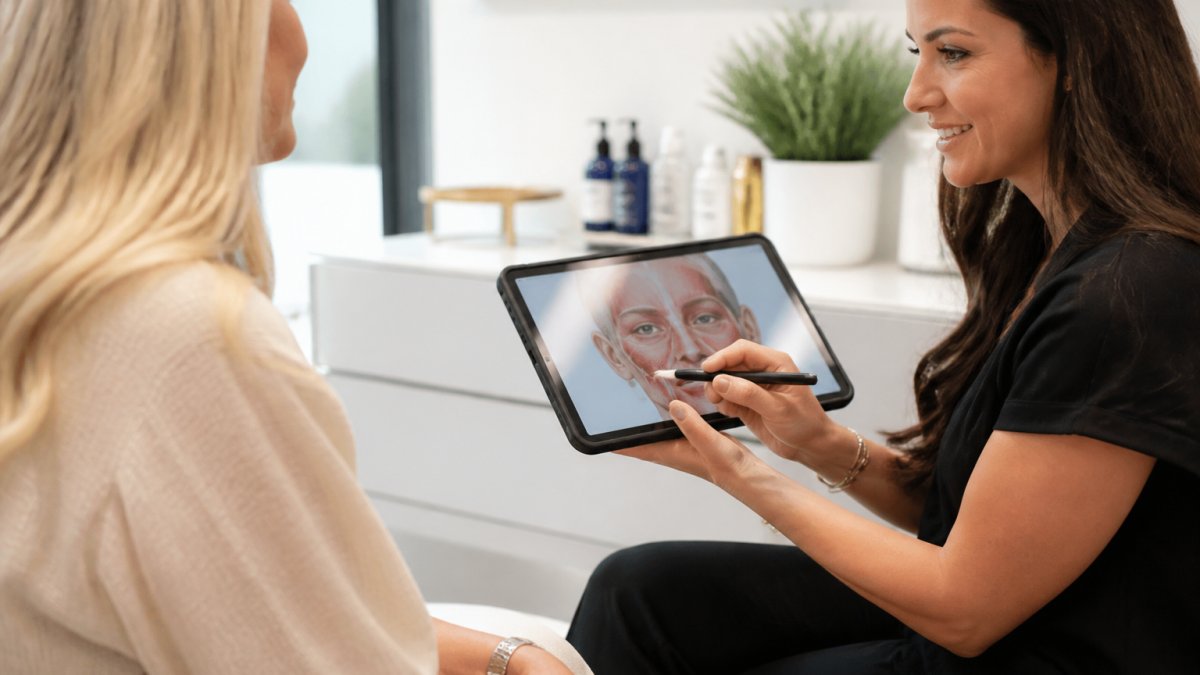
The provider will ask you to smile, purse your lips, and relax your face. That sequence reveals how much of your upper lip is hidden by muscle tension.
This is where a customized treatment plan gets built. A good plan names the treatment area, the number of units or the approach, the expected timeline, and the review point.
Lip Flip vs Lip Filler: Which One Matches Your Goals?
A lip flip uses Botox to relax the muscle above the upper lip, while lip filler uses hyaluronic acid dermal fillers to add volume directly to the lip body. The right choice depends on whether you want position or plumpness.
| Feature | Lip Flip | Lip Filler |
|---|---|---|
| What it does | Relaxes muscle, rolls lip outward | Adds volume and shape |
| Product type | Botulinum toxin | Hyaluronic acid filler |
| Best for | Thin upper lip, gummy smile, subtle lift | Volume loss, asymmetry, defined shape |
| Onset | Gradual, over several days | Immediate, with swelling |
| Duration | Weeks to a few months | Months |
| Reversible | Fades on its own | Reversible with an enzyme |
| Downtime | Minimal | Swelling and bruising common |
The honest answer for many patients is that neither is "better." A lip flip is the more conservative first step, and it is fully reversible in the sense that the effect fades without intervention.
What most guides miss is that the two are often combined. A small amount of filler for structure plus a lip flip for position can produce a more balanced result than either alone.
How Long Does a Lip Flip Last?
A lip flip typically lasts about two to three months, which is shorter than most lip filler results. The effect fades as the muscle gradually regains movement, and results vary with your metabolism, muscle strength, and the amount used.
Because it is short-lived, a lip flip suits patients who want to try the look before committing, or who prefer to schedule treatment around events and seasons.
If you are weighing it against filler, ask your injector how the timelines compare for your specific anatomy. Duration depends on the treatment area and the product used, and a provider who knows your face can give a more accurate estimate than any general figure.
Lip Flip Side Effects and Aftercare
Lip flip side effects are usually mild and temporary, but they differ from filler side effects because the treatment relaxes a muscle rather than adding volume. Expect small bumps at the injection sites, slight bruising, and a feeling of tightness around the upper lip for a few days. Some patients notice a brief heaviness when smiling or difficulty pursing their lips for the first week, which settles as the muscle adjusts.
A Day-by-Day Recovery Timeline
- Day 1: Small bumps and mild redness at the injection points. Avoid rubbing the area. Stay upright for a few hours and skip strenuous exercise and alcohol for the rest of the day.
- Days 2 to 3: Bruising, if any, is most visible. Tightness peaks. Avoid facials, saunas, and waxing for about a week.
- Days 3 to 7: The muscle begins to relax. Smiling may feel slightly different as the effect builds.
- Week 2: Full effect is usually visible. This is the review point, and it is when asymmetry or an under-treatment is best assessed.
Aftercare That Actually Matters
The first 24 hours do most of the work. Stay upright for a few hours, avoid lying flat, do not massage or rub the treated area, and skip strenuous exercise and alcohol for the rest of the day. Avoid facials, saunas, and waxing for about a week. Sleep on your back the first night if you can.
When to Call Your Provider
Mild bruising and tightness are normal. Contact your provider promptly if you notice difficulty smiling normally, significant asymmetry that does not settle by the two-week review, trouble drinking through a straw, or any sign of infection such as spreading redness or fever. These are uncommon, but they are the reasons a qualified injector and a clear follow-up plan matter more than a discount.
The American Society of Plastic Surgeons' patient safety information covers what to expect from injectable treatments and when to call a clinician.
What to Expect at Your Lip Flip Appointment
The appointment itself takes about 15 to 30 minutes, including preparation and a short observation period afterward.
Most patients describe the sensation as brief pinches rather than pain. No numbing is usually required, though some clinics offer a topical anesthetic.
Results are not immediate. The muscle relaxes over three to seven days, and the full effect usually appears within two weeks.
At Bella MedSpa, our injectable team includes Dr.
If you are ready to see whether a lip flip fits your goals, request an appointment with Bella MedSpa and we will walk you through the options.
Frequently Asked Questions
What is the difference between a lip flip and lip filler?
A lip flip uses a small amount of neuromodulator injected near the upper lip border to relax the muscle and gently roll the lip outward, adding subtle fullness. Lip filler uses hyaluronic acid dermal fillers to add actual volume and shape. A lip flip is best for slight upper-lip enhancement and a more visible smile; filler is better for plump lips, definition, or correcting asymmetry. Many patients combine both, and a lip flip consultation can help you decide which approach fits your goals and anatomy.
How long does a lip flip last?
Most patients see a lip flip last roughly two to three months, which is shorter than typical lip filler results. The neuromodulator effect fades gradually, so the upper lip slowly returns to its original position. Results vary by individual metabolism, the amount used, and the injector's technique. If you love the look, many providers recommend scheduling maintenance every two to three months to keep the effect consistent, and your injector can map out a plan during your consultation.
What are common lip flip side effects?
Typical lip flip side effects are mild and short-lived: small bumps or redness at the injection sites, slight swelling, and occasional bruising for a few days. Some people notice temporary difficulty pursing their lips, whistling, or drinking from a straw, and a small number experience a feeling of lip weakness. Serious complications are uncommon but possible, so choose a qualified injector and report any trouble breathing, swallowing, or speaking right away. Most side effects settle within one to two weeks.
How do I prepare for a lip flip appointment?
To prepare for a lip flip, avoid alcohol and blood-thinning medications such as aspirin or ibuprofen for about a week beforehand if your provider approves, since these can increase bruising. Skip strenuous exercise and facials on the day of treatment, arrive with clean skin, and tell your injector about any medications, allergies, or prior facial treatments. Many clinics recommend avoiding dental work or waxing near the mouth for a few days before. Your provider will give specific pre-care instructions when you book.
A lip flip can soften your smile and restore a rested look, but the result depends on who performs it and whether the treatment suits your anatomy. Bella MedSpa offers personalized injectable consultations, a physician-led team, and a full range of facial rejuvenation services so you can make that decision with real information. Get started with Bella MedSpa and book a consultation to find out whether a lip flip, lip filler, or a combination is right for you.