 how-to
How to Reduce Stubborn Fat Pockets: A Step-by-Step Guide
Table of Contents
- What Is Subcutaneous Fat and Why It's Stubborn
- How to Reduce Stubborn Fat Through Lifestyle Changes
- Non-Surgical Fat Reduction Techniques That Work
- Best Candidates for Non-Invasive Fat Removal
- What to Expect: Fat Reduction Recovery Time
- Finding Professional Fat Reduction Treatment Near You
- Maintenance and Long-Term Results
- Frequently Asked Questions
Last Updated: September 25, 2026
What Is Subcutaneous Fat and Why It's Stubborn
Subcutaneous fat sits just beneath your skin. It's the layer you can pinch with your fingers. Unlike visceral fat, which wraps around your organs, subcutaneous fat is visible and frustrating.
Certain areas, belly, thighs, arms, and chin, hold onto fat longer due to your hormonal environment and genetic blueprint.
The Hormonal Drivers of Stubborn Fat
Cortisol and stress elevate cortisol, signaling your body to store fat preferentially in the abdominal region, which is why sustained stress often causes midsection weight gain even without increased eating.
Insulin sensitivity influences fat distribution. Insulin resistance from refined carbohydrates and sedentary behavior promotes fat storage in the lower abdomen and hips. Improving insulin sensitivity through exercise and whole-food carbohydrates shifts future fat storage patterns but doesn't directly mobilize existing stubborn deposits.
Estrogen and sex hormones determine fat distribution. Women accumulate fat in hips, thighs, and lower abdomen; men in the belly. During menopause, declining estrogen shifts women toward more abdominal fat storage.
Thyroid function affects metabolic rate. Hypothyroidism slows metabolism and makes fat loss harder, particularly in storage-prone areas. A blood test can reveal thyroid dysfunction.
Why Spot Reduction Doesn't Work (But Targeted Treatment Does)
Spot reduction through diet and exercise doesn't work, your body loses fat systemically, following its own hormonal and genetic pattern. That's why some people see results everywhere except the one place they care about most.
Your genetics decide which zones resist change most. Stubborn fat areas have higher density of alpha-2 adrenergic receptors, which make fat harder to mobilize.
Non-surgical fat reduction targets stubborn zones that won't respond to diet and exercise alone, directly destroying fat cells while lifestyle changes improve overall metabolic health.
How to Reduce Stubborn Fat Through Lifestyle Changes
Lifestyle changes form your foundation. Without them, professional treatments deliver weaker results. You need consistency, not perfection.
Creating a Sustainable Caloric Deficit
A caloric deficit is essential, you must consume fewer calories than you burn to force your body to tap stored fat for energy.
Most people create too large a deficit and quit. Instead, aim for 500 calories below maintenance, which typically produces 1 pound of fat loss weekly and is sustainable.
Find your maintenance level by tracking food for two weeks without changes. If weight stays stable, reduce by 500 calories daily.
Macronutrient Balance and Metabolic Health
Calories matter most, but macronutrient balance shapes your results.
Protein preserves muscle during a deficit. Muscle burns calories at rest; losing muscle without adequate protein slows metabolism and makes future fat loss harder.
Aim for 0.8-1 gram of protein per pound of body weight daily. A chicken breast has 35 grams; Greek yogurt has 20 grams per cup.
Carbohydrates and fats matter less than total calories and protein. Pick a ratio you can maintain consistently.
Resistance Training and Physical Activity
Cardiovascular exercise burns calories; resistance training builds and preserves muscle during fat loss.
Muscle shapes appearance, two people at the same weight look different based on muscle mass. Resistance training tightens your physique and improves definition.
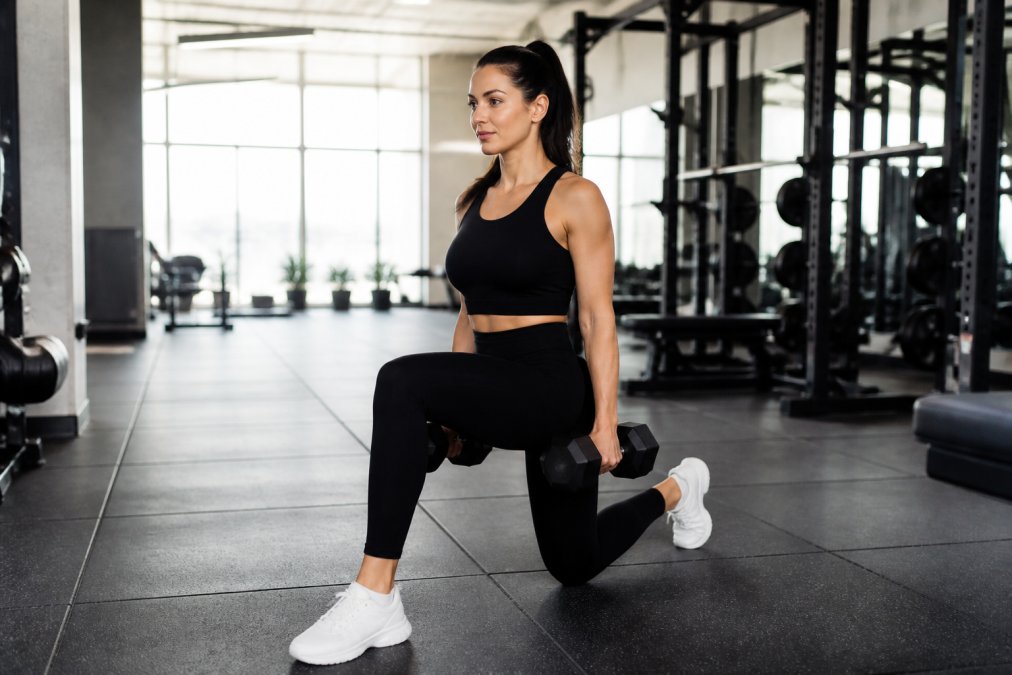
Aim for three resistance sessions weekly targeting all major muscle groups. Basic compound movements, squats, deadlifts, chest presses, rows, overhead presses, burn calories and build strength.
Add 150 minutes of moderate cardio weekly, brisk walking, cycling, swimming, or similar, spread across five 30-minute sessions.
Resistance training, cardio, and a caloric deficit create fat loss conditions, but won't target stubborn fat pockets specifically, they reduce them on your body's timeline. Professional treatments target them directly.
Non-Surgical Fat Reduction Techniques That Work
Non-invasive procedures target stubborn fat that lifestyle changes cannot address, destroying fat cells without surgery.
How Cryolipolysis and Radiofrequency Procedures Work
Cryolipolysis freezes fat cells, cooling adipose tissue to trigger apoptosis. Your body clears dead cells naturally over weeks.
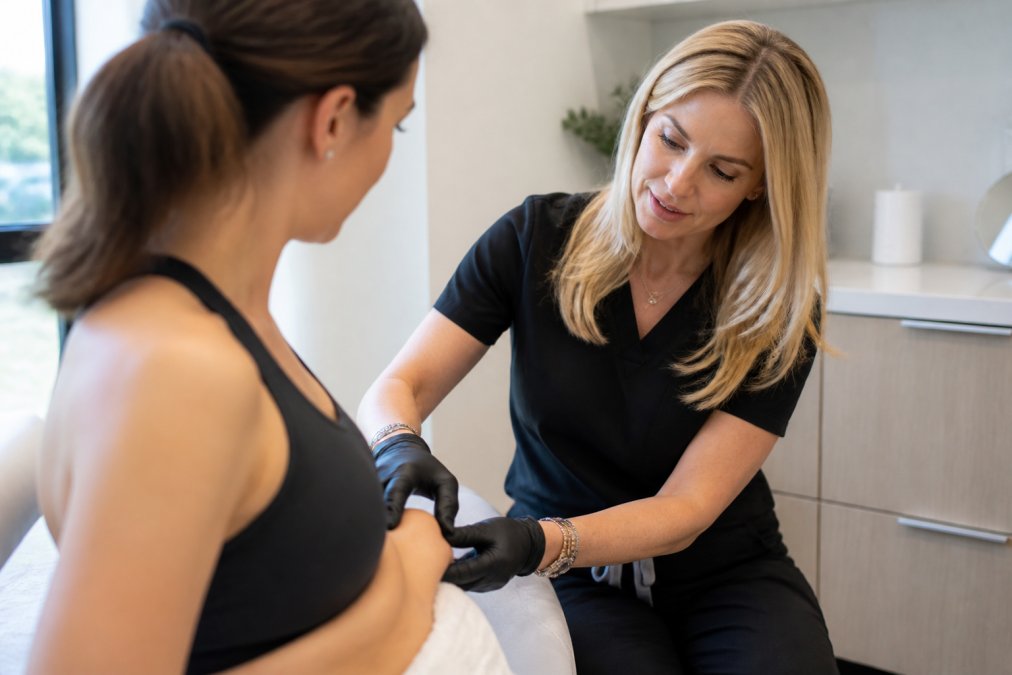
Treatment takes 35-60 minutes per area with intense cold followed by numbness. You can return to normal activities immediately, no downtime or injections.
Results appear within 2-3 weeks, with full results by three months.
Radiofrequency heats adipose tissue to destroy fat cells and remodel collagen, reducing fat while tightening skin.
Sessions last 20-30 minutes with warmth but no pain. Multiple sessions spaced 1-2 weeks apart build results as collagen remodels.
Both approaches work best on localized fat deposits. They're not weight-loss tools. They're body-contouring tools for areas resistant to diet and exercise.
FDA-Cleared Options for Body Contouring
The FDA has cleared multiple non-invasive fat reduction devices. This matters because clearance means clinical testing demonstrated safety and efficacy.
Look for devices with FDA clearance specifically for fat reduction. This distinguishes them from marketing claims alone. Cleared technologies include cryolipolysis platforms and radiofrequency systems. Each has published clinical data supporting their use.
When you're evaluating providers, ask which devices they use and whether those devices carry FDA clearance. This single question separates serious medical practices from those making unsubstantiated claims.
Professional providers use FDA-cleared equipment because it works and because it protects both patient and practice. It's a mark of legitimacy.
Best Candidates for Non-Invasive Fat Removal
Not everyone benefits equally from non-invasive fat reduction. The best candidates share specific characteristics.
You're an ideal candidate if you have localized fat pockets resistant to diet and exercise. This means you've been consistent with healthy eating and activity for at least three months and certain areas still won't budge. Non-invasive procedures excel at this specific problem.
Your skin elasticity matters. Younger skin rebounds better after fat reduction. If you're over 50 or have significant sun damage, skin tightening treatments alongside fat reduction produce better results.
Body mass index influences candidacy too. These procedures work best on people close to their goal weight. If you're significantly overweight, lifestyle changes should come first. Once you're near your target, non-invasive treatments refine your shape.
Realistic expectations matter most. These treatments reduce fat, they don't transform your body. They're most effective for people who already exercise regularly and eat well but struggle with specific stubborn areas.
A professional consultation determines whether you're a good candidate. A professional consultation determines whether you're a good candidate. Our team evaluates your goals, examines your areas of concern, and explains what's realistic for your situation.
What to Expect: Fat Reduction Recovery Time
Recovery time is one major advantage of non-invasive procedures. Unlike surgical liposuction, you don't need time off work or activity restrictions.
Most cryolipolysis patients experience mild redness and numbness at the treatment site. This resolves within hours to days. You can exercise, work, and carry on normally immediately.
Some patients report temporary hardness or tenderness in treated areas. This is normal and resolves as your body processes the dead fat cells. Massage or gentle activity helps.
Radiofrequency treatments have minimal downtime as well. Mild redness fades within hours. You can return to your routine right away.
Full results take time. Fat cells don't disappear instantly. Your body metabolizes them gradually. Most people see noticeable changes within two to three weeks. Dramatic results typically appear by eight to twelve weeks.
This timeline matters if you're planning for an event. Schedule treatments at least two months before you want maximum results. If you're simply improving your appearance, the gradual timeline is actually an advantage, changes look natural because they happen slowly.
Finding Professional Fat Reduction Treatment Near You
Choosing a provider matters more than choosing a procedure. The best device in inexperienced hands produces mediocre results. An experienced provider using good equipment transforms stubborn fat pockets.
Look for providers with medical oversight. This means an MD or nurse practitioner supervises treatments.
Maintenance and Long-Term Results
Fat reduction results aren't permanent unless you maintain them. This is the most important truth about non-invasive procedures: they destroy fat cells, but they don't change your body's ability to store fat in other cells or expand remaining adipocytes.
How Fat Cells Respond After Treatment
When cryolipolysis or radiofrequency destroys fat cells in a treated area, those cells are gone permanently. Your body cannot regenerate them. However, your remaining fat cells, in the treated area and elsewhere, can expand if you gain weight.
Practical Maintenance Strategies
Track your weight monthly. Establish a "maintenance range" of 3-5 pounds around your post-treatment weight. If you drift above that range, tighten your caloric intake for 2-3 weeks. This prevents gradual creep that compounds over time.
When Touch-Up Treatments Make Sense
Some patients choose maintenance treatments. This is optional, not required, but it's worth understanding when it's worthwhile.
Long-Term Thinking
Non-invasive fat reduction is most effective as part of a sustainable lifestyle, not as a replacement for it. The patients who maintain results longest are those who view treatment as a tool that accelerates progress toward a body-composition goal they're already committed to achieving.
Frequently Asked Questions
What causes stubborn fat pockets that won't go away with diet and exercise?
Stubborn fat pockets develop in areas where your body preferentially stores adipose tissue due to genetics, hormonal factors, and localized metabolic differences. These deposits, primarily subcutaneous fat, are resistant to standard caloric deficit approaches because they have fewer blood vessels and lower metabolic activity than other fat stores. Age, insulin sensitivity, and inflammation also contribute to why certain areas remain resistant despite consistent lifestyle efforts.
Are non-surgical fat reduction treatments FDA-cleared and safe?
Yes, several non-invasive fat reduction techniques are FDA-cleared for body contouring. These procedures work through mechanisms like cryolipolysis (controlled cooling) and radiofrequency energy to trigger fat cell apoptosis without damaging surrounding tissue. Safety depends on proper patient candidacy assessment and professional administration. A qualified professional can determine if you're a suitable candidate and discuss potential risks during a consultation.
How long does it take to see results from non-invasive fat reduction, and how long do they last?
Results from non-invasive fat reduction typically appear gradually over 4-12 weeks as fat cells are naturally eliminated from the body. Results can be long-lasting when combined with stable lifestyle habits, since treated fat cells do not regenerate. However, maintaining your results requires ongoing commitment to healthy eating and physical activity, new fat deposits can form in untreated areas if caloric intake increases significantly.
What's the difference between weight loss and body contouring treatments?
Weight loss reduces overall body mass through caloric deficit, affecting fat distribution across your entire body. Body contouring targets specific localized fat deposits that resist diet and exercise, reshaping and defining problem areas without significant weight change. Many people combine both approaches: lifestyle changes to achieve overall metabolic health, paired with professional treatments to address stubborn pockets that remain resistant to standard methods.