 listicle
Best Non-Surgical Facial Rejuvenation 2026
Table of Contents
- What Is Non-Surgical Facial Rejuvenation?
- Top Non-Surgical Facial Rejuvenation Treatments
- Choosing the Right Treatment for Your Skin
- Post-Procedure Skincare and Maintenance
- Frequently Asked Questions
Last Updated: October 4, 2026
What Is Non-Surgical Facial Rejuvenation?
Non-surgical facial rejuvenation uses minimally invasive treatments to restore volume, tighten skin, and reduce visible signs of aging without surgery by stimulating collagen production, relaxing facial muscles, or adding volume beneath the skin's surface.
Bella MedSpa offers non-surgical facial rejuvenation options tailored to your aesthetic goals, allowing you to address fine lines, restore volume, tighten skin, and improve texture without downtime or general anesthesia.
Non-surgical treatments involve minimal downtime and allow you to return to daily activities immediately or within days, with results developing gradually through your skin's natural healing response.
Top Non-Surgical Facial Rejuvenation Treatments
The landscape of non-surgical facial rejuvenation has expanded significantly, offering solutions for nearly every concern. Here's what's driving results in 2026.
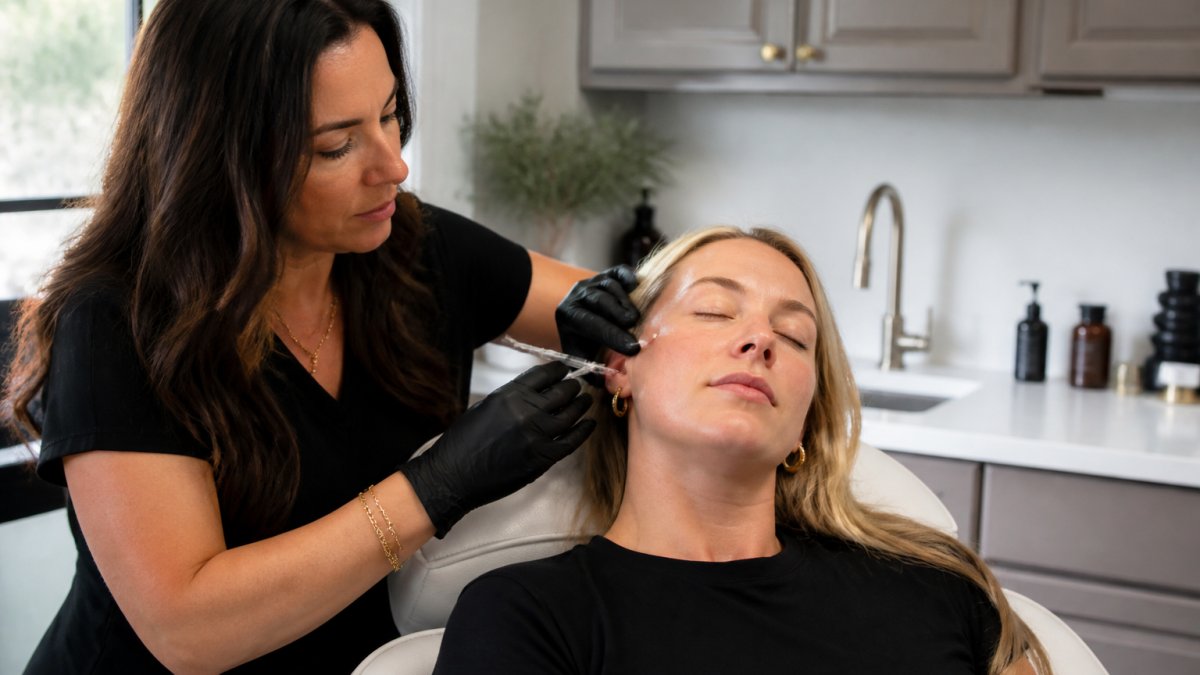
Neuromodulators: Botox Near Me and Beyond
Neuromodulators relax facial muscles that create dynamic wrinkles, lines that form when you frown, squint, or raise your eyebrows, resulting in smoother, more refreshed skin.
Alternatives to Botox include Dysport (spreads more for larger areas), Xeomin (purified formula), and Daxxify (newest option with results extending beyond the typical 3-4 month window).
Results appear within 24 hours to 2 weeks, with maintenance required every 3-4 months.
Dermal Fillers and Recovery Time
Dermal fillers restore volume loss from aging by adding hyaluronic acid and collagen back into hollowed cheeks, under-eye areas, and around the mouth.
Most fillers contain hyaluronic acid, which holds moisture and provides structure. Results are visible immediately, with mild swelling subsiding within 24-48 hours.
Recovery is minimal; return to work the same day. Avoid strenuous exercise and alcohol for 24 hours to minimize bruising and swelling.
SkinVive by Juvederm is a microdroplet injection that improves skin hydration and radiance for those seeking subtle glow rather than structural changes.
Non-Surgical Skin Tightening Benefits
Non-surgical skin tightening uses radiofrequency, ultrasound, or microcurrent energy to stimulate collagen and elastin production as skin loses elasticity with age.
Ultherapy uses focused ultrasound to lift and tighten the neck, chin, and brow by triggering collagen formation. Results develop over 2-3 months and continue improving for up to 6 months.
EMFace combines radiofrequency with muscle stimulation to tone facial muscles and tighten skin in 20 minutes with no needles. Multiple sessions spaced 2 weeks apart yield best results.
Microneedling and Collagen Induction
Microneedling creates controlled micro-injuries that trigger collagen production, improving skin texture, reducing scars, and creating a more youthful complexion.
Microneedling addresses fine lines, acne scars, stretch marks, and uneven pigmentation. A series of 3-6 sessions spaced 4-6 weeks apart yields optimal results.
Recovery involves mild redness and sensitivity for 24-48 hours. Combining microneedling with platelet-rich plasma (PRP) amplifies collagen stimulation and accelerates healing.
Advanced Radiofrequency and Ultrasound Therapy
Radiofrequency heats dermal layers to stimulate collagen remodeling and tightening beneath the surface, making it safe for all skin types with no recovery time.
Ultrasound therapy delivers focused energy to precise depths, allowing practitioners to visualize energy delivery for accuracy and safety, especially in delicate areas like the neck and under-chin.
Both work gradually with results improving over months as collagen forms. Most patients need 1-3 maintenance treatments per year.
Choosing the Right Treatment for Your Skin
Selecting the right non-surgical facial rejuvenation treatment requires matching your concerns, skin type, budget, and aesthetic philosophy to the procedure. Organize your decision around three dimensions: your primary aging concern, investment level, and approach to natural versus enhanced results.
Identifying Your Primary Concern
Identify your primary concern: dynamic wrinkles call for neuromodulators; hollowness under eyes, sunken cheeks, or thin lips need fillers; loose or crepey skin needs Ultherapy or radiofrequency; uneven texture, enlarged pores, or acne scars respond to microneedling or laser resurfacing.
Identifying your primary issue first prevents overtreatment. A qualified aesthetic professional can assess your skin and help prioritize which concern will have the biggest visual impact.
Budget-Conscious vs. Premium Approach
Non-surgical treatments span a wide range of investment levels. Entry-level options like chemical peels and microneedling require a series of 4-6 sessions for full results. Mid-range treatments like neuromodulators and fillers offer faster results with ongoing maintenance. Premium technologies like Ultherapy and EMFace require fewer sessions and deliver longer-lasting results. Many practitioners offer package pricing for series treatments. Discussing your budget openly with your provider helps them recommend a realistic treatment plan.
Natural Results vs. Enhanced Appearance
An important decision is your philosophy on how much change you want. The aesthetic industry emphasizes "natural results," but this means different things to different people.
Natural-Results Philosophy: This approach prioritizes subtle enhancement that keeps you looking like yourself, just refreshed. Conservative neuromodulator doses maintain facial movement; fillers restore lost volume rather than create new fullness. The goal is that people notice you look well-rested, not that you've "had work done." This philosophy aligns with what top aesthetic practitioners now emphasize: enhancement that respects individual facial anatomy. Dr.
Enhanced Appearance: Some prefer more noticeable results, fuller lips, dramatic cheekbone definition, or minimal expression lines. This requires clear communication with your provider about expectations to avoid an "overdone" look.
Bring reference photos showing both before and after results to help your provider understand your aesthetic preferences.
Creating Your Treatment Plan
Work with your provider to build a realistic plan. Many benefit from combining treatments: neuromodulators plus fillers, or microneedling followed by maintenance radiofrequency.
Ask your provider about realistic timelines, maintenance schedules, combination potential, skin-type considerations, and any contraindications for your specific situation.
A good aesthetic professional will be honest if a treatment won't meet your goals and recommend alternatives.
Post-Procedure Skincare and Maintenance
Proper post-procedure care accelerates healing, maximizes results, and minimizes complications. This section covers immediate aftercare and longer-term maintenance.
Immediate Post-Treatment Protocols by Procedure Type
Injectable Treatments (Botox, Dysport, Fillers)
For the first 4 hours after injection, avoid touching, rubbing, or massaging injection sites to prevent product migration.
Mild swelling and redness typically resolve within 24-48 hours. Bruising usually fades within 7-10 days.
Neuromodulator results appear over 3-7 days with full effect by day 14.
Microneedling and Collagen-Induction Treatments
Your skin barrier is temporarily compromised after microneedling. Use mild, fragrance-free cleanser and lukewarm water; avoid hot water. Pat dry gently.
For 48 hours post-treatment, avoid retinoids, vitamin C, AHAs, and BHAs.
Broad-spectrum sunscreen (SPF 30+) is essential. Treated skin is vulnerable to UV damage and hyperpigmentation.
Mild redness and sensitivity are normal for 24-48 hours.
Radiofrequency and Ultrasound Treatments
These treatments require no downtime, though skin may feel warm or flushed for a few hours. Avoid intense heat for 24 hours.
Use gentle cleanser and moisturizer. Sunscreen is important. Most people return to normal activities immediately, including exercise and makeup.
Contraindications and Medical History Screening
Understanding contraindications, conditions that make a treatment inadvisable, is critical for safety and realistic outcomes.
Who Should Avoid Neuromodulators:
- Pregnant or breastfeeding women (safety data is limited)
- People with neuromuscular disorders like myasthenia gravis or ALS
- Those with an allergy to botulinum toxin or any ingredient in the formulation
- People taking certain medications that interact with neuromodulators (discuss with your provider)
Who Should Avoid Dermal Fillers:
- Pregnant or breastfeeding women
- People with active skin infections or severe acne in the treatment area
- Those with a history of severe allergic reactions (especially to hyaluronic acid, if using HA fillers)
- People taking blood thinners or high-dose aspirin (increased bruising and bleeding risk)
- Those with certain autoimmune conditions (discuss with your provider)
Who Should Avoid Microneedling:
- People with active acne, eczema, psoriasis, or other inflammatory skin conditions
- Those with a history of keloid or hypertrophic scar formation
- People taking isotretinoin (Accutane) or who have taken it within the past 6-12 months
- Those with open wounds or active infections
- People with severe rosacea (microneedling can trigger flare-ups)
Who Should Avoid Radiofrequency and Ultrasound:
- People with metallic implants in the treatment area (pacemakers, metal plates)
- Those with active skin infections
- People with severe rosacea or active inflammatory conditions
- Those taking certain medications that increase photosensitivity
Before any treatment, disclose your complete medical history: current medications, allergies, previous cosmetic procedures, skin conditions, autoimmune or neuromuscular disorders, pregnancy or breastfeeding status, and recent sun exposure. A qualified aesthetic professional will screen for these factors and recommend alternatives if needed.
Hydration and Systemic Support
Drink plenty of water following your procedure, aim for 8-10 glasses daily. Well-hydrated skin heals faster and shows better results.
Use hydrating serums and moisturizers with hyaluronic acid, glycerin, and ceramides. Avoid heavy occlusive products immediately post-treatment.
Avoid extreme temperatures for 24-48 hours, as these can trigger inflammation or compromise results.
Long-Term Maintenance and Sustainability
Maintenance schedules vary significantly by treatment, and understanding what you're committing to helps you make an informed choice.
Neuromodulators: Results last 3-4 months on average, though some people metabolize the product faster (results fade in 6-8 weeks) and others slower (results last 4-6 months). Daxxify, the newest neuromodulator, can last up to 6 months.
Dermal Fillers: Most hyaluronic acid fillers last 6-12 months depending on the product, the location (lips metabolize filler faster than cheeks), and your individual metabolism. Some premium fillers claim 18-month longevity.
Microneedling: A single session improves skin texture, but a series of 3-6 treatments spaced 4-6 weeks apart yields the most dramatic results.
Radiofrequency and Ultrasound: Results continue improving for 2-3 months post-treatment as new collagen forms.
Building a Sustainable Skincare Routine
Non-surgical treatments work best when paired with a solid at-home skincare routine. Between professional treatments, focus on:
- Daily sunscreen: UV damage accelerates aging and can undo your treatment results
- Retinoids: Prescription retinoids or over-the-counter retinol support collagen production and cell turnover
- Antioxidants: Vitamin C, vitamin E, and ferulic acid protect against environmental damage
- Hydration: A good moisturizer maintains skin barrier health
- Gentle cleansing: Avoid harsh scrubs or astringent products that compromise your skin barrier
This combination, professional treatments plus consistent at-home care, creates a sustainable approach to facial rejuvenation that compounds results over time rather than requiring increasingly aggressive procedures to maintain your appearance.
Frequently Asked Questions
What is the best non-surgical facial rejuvenation treatment for my age and skin type?
The best non-surgical facial rejuvenation treatment depends on your specific concerns, skin type, and aesthetic goals. Neuromodulators work well for dynamic wrinkles, dermal fillers address volume loss, and skin tightening technologies suit those with mild to moderate skin laxity. A consultation with a qualified aesthetic professional can assess your skin and recommend the most effective combination of treatments tailored to your needs.
How long do non-surgical facial rejuvenation results typically last?
Results vary by treatment type. Neuromodulators like Botox typically last 3-4 months, while dermal fillers may last 6-18 months depending on the product and injection site. Skin tightening treatments using radiofrequency or ultrasound can provide results lasting 12-24 months, though maintenance sessions may be recommended to sustain optimal results over time.
What is dermal fillers recovery time, and can I return to work immediately?
Most dermal filler treatments have minimal downtime. Patients typically experience some redness, swelling, or mild bruising that subsides within 24-48 hours. Most people can return to normal activities, including work, immediately after treatment. Avoiding strenuous exercise, extreme heat, and certain medications for 24-48 hours can help minimize swelling and bruising.
Are non-surgical skin tightening benefits worth the investment?
Non-surgical skin tightening benefits include improved skin texture, enhanced elasticity, and a lifted appearance without surgery or extended downtime. Results develop gradually as collagen production increases, providing natural-looking outcomes. For those seeking to address mild to moderate skin laxity without surgical intervention, these treatments offer a practical alternative with manageable recovery and predictable results.
What medical history or conditions would prevent me from getting non-surgical facial rejuvenation?
Certain conditions may contraindicate non-surgical treatments, including active skin infections, severe allergies to treatment components, pregnancy, and specific neurological conditions. Metal implants in the treatment area may restrict radiofrequency or ultrasound therapies. A thorough consultation with a qualified aesthetic professional is essential to review your medical history and determine which treatments are appropriate and safe for you.
The best non-surgical facial rejuvenation approach combines the right treatment with expert technique and realistic expectations. At Bella MedSpa, our team of medical professionals uses advanced technology, including Genius RF and other precision devices, to deliver natural-looking results tailored to your unique facial anatomy. When you're ready to explore your options, schedule a consultation to discuss which treatments align with your aesthetic goals.