 listicle
Advanced Medical Aesthetics Procedures for 2026
Table of Contents
- 1. Low-Dose Neuromodulators and Prejuvenation
- 2. Regenerative Aesthetic Treatments: PRP, PRF, and Exosome Therapy
- 3. Advanced Dermal Fillers and Microfillers for Natural Volume
- 4. Skin Boosters and Injectable Hydration Systems
- 5. Minimally Invasive Cosmetic Procedures: Microneedling and Energy-Based Devices
- 6. Non-Surgical Skin Tightening and Facial Rejuvenation Technologies
- How to Choose an Aesthetic Provider for Advanced Treatments
- 2026 Medical Aesthetics Trends: What's Driving Innovation
- Frequently Asked Questions
Last Updated: October 7, 2026
1. Low-Dose Neuromodulators and Prejuvenation
Low-dose neuromodulators represent one of the most significant shifts in how people approach facial aging in 2026. Prejuvenation, the practice of starting preventive treatments in your 30s and 40s, has become mainstream, as younger patients recognize that smaller, consistent doses maintain natural movement while preventing deeper lines.
Lower doses of neuromodulators like Botox Cosmetic, Xeomin, and Letybo soften dynamic wrinkles without the frozen appearance that made patients hesitant a decade ago.
Xeomin's Smart-Toxin technology removes unnecessary proteins, appealing to patients concerned about antibody formation, where the body builds resistance to repeated treatments. Letybo offers consistent clinical performance and reliable onset. The choice often comes down to personal response and practitioner preference, but all three deliver the soft, refreshed look patients want in 2026.
Prejuvenation changes the timeline entirely: starting at lower doses in your 30s means you may never develop the deep lines that require aggressive correction later, making advanced medical aesthetics procedures more accessible to a broader age range.
2. Regenerative Aesthetic Treatments: PRP, PRF, and Exosome Therapy
Regenerative aesthetics has moved from experimental to mainstream in 2026. These treatments harness your body's own healing mechanisms, or advanced cell-derived therapies, to rebuild skin structure from within.
Platelet-rich plasma (PRP) extracts concentrated growth factors from your own blood and reintroduces them into the skin through microneedling or injection. Platelet-rich fibrin (PRF) takes this further by creating a fibrin matrix that supports longer-lasting tissue regeneration. Both trigger collagen production and improve skin texture, tone, and elasticity over weeks and months.
Exosome regenerative therapy represents the cutting edge of this category. These cell-derived vesicles carry signaling molecules that accelerate skin repair and reduce inflammation. Many practitioners combine exosomes with microneedling: the microneedling creates controlled micro-injuries that trigger healing, and the exosomes enhance that repair, producing faster recovery and more dramatic improvements in skin quality.
What makes these treatments compelling in 2026 is the evidence base: measurable improvements in fine lines, skin texture, and radiance without the downtime of aggressive lasers. Recovery typically involves mild redness for a few days, ideal for busy professionals.
3. Advanced Dermal Fillers and Microfillers for Natural Volume
Dermal fillers have evolved dramatically. In 2026, the focus has shifted from obvious volume to strategic, nuanced facial sculpting that respects your anatomy.
Hyaluronic acid fillers like Juvederm remain the foundation of this category, restoring lost facial volume and defining features like lips and cheekbones. The key advancement is injection technique: practitioners now use smaller volumes at precise depths for subtle enhancement rather than the overfilled look of the 2010s.
Microfillers represent a newer approach: ultra-fine hyaluronic acid particles injected into the skin itself (not deeper tissue) to improve hydration and skin quality. These injectable moisturizers plump fine lines from within and create a luminous, dewy appearance. They're particularly effective for the under-eye area, where deeper fillers can create unwanted puffiness.
Biostimulatory injectables like Sculptra work differently, stimulating your own collagen production over months to gradually restore facial structure. Results improve for 4-6 months and can last up to two years, making them ideal for deep structural volume loss, though patience is required.
The trend in advanced medical aesthetics procedures is moving toward combination approaches: microfillers for superficial hydration, traditional fillers for strategic volume, and biostimulators for deep structural support, creating results that look naturally refreshed rather than obviously treated.
| Filler Type | Best For | Timeline | Duration |
|---|---|---|---|
| Hyaluronic acid | Lip definition, cheek volume, fine lines | Immediate results | 6-12 months |
| Microfillers | Under-eye hydration, fine line softening | Gradual improvement | 4-6 months |
| Biostimulators | Deep volume loss, structural aging | 4-6 week improvement | Up to 2 years |
4. Skin Boosters and Injectable Hydration Systems
Skin boosters have become one of the most requested treatments in 2026, particularly among patients in their 40s and 50s addressing dryness and loss of radiance without major procedures.
These injectable hydration systems deliver hyaluronic acid directly into the dermis. Unlike traditional fillers that add volume, boosters improve skin quality by hydrating from within, producing smoother texture, improved elasticity, and a natural glow no topical moisturizer can achieve.
Treatment typically involves a series of three sessions spaced two to four weeks apart, followed by maintenance sessions every six months. Downtime is minimal, mild redness and occasional small bumps that resolve within hours to days. Many patients schedule these during lunch and return to work immediately.
The science involves cross-linked hyaluronic acid that integrates into your skin and stimulates collagen production. Over weeks, skin becomes plumper, smoother, and more resilient, and patients often report makeup applies more smoothly.
What makes skin boosters particularly valuable in 2026 is their role in prejuvenation and maintenance: many practitioners recommend starting in your late 30s to maintain hydration and prevent the dull appearance that comes with dehydration and collagen loss.
5. Minimally Invasive Cosmetic Procedures: Microneedling and Energy-Based Devices
Microneedling has evolved from a simple procedure into a sophisticated treatment platform that serves as the foundation for many advanced medical aesthetics procedures in 2026.
Traditional microneedling uses fine needles to create controlled micro-injuries that trigger collagen remodeling and improve texture, fine lines, and scars. Radiofrequency microneedling (like Genius RF) adds radiofrequency energy to the needles, creating deeper collagen stimulation with less surface damage and results comparable to more aggressive lasers with minimal downtime.
Energy-based devices, including laser therapy and ultrasound-based technologies, target specific concerns with precision: lasers address pigmentation, broken capillaries, and surface texture, while ultrasound devices penetrate deeper to stimulate collagen in the dermis and subdermis without damaging the surface.
The combination of microneedling with regenerative treatments (like exosomes or PRP) has become standard practice at leading medical spas. The microneedling creates channels for better absorption and amplifies the healing response, while the regenerative treatment accelerates tissue repair. This synergy produces results that exceed either treatment alone.
Recovery typically involves mild redness for a few days and temporary sensitivity, with most patients returning to normal activities within 24-48 hours.
Bella MedSpa utilizes advanced technology including Genius RF for precise radiofrequency microneedling and Clarity II for laser treatments, allowing our practitioners to customize treatment to your specific skin concerns and healing capacity.
6. Non-Surgical Skin Tightening and Facial Rejuvenation Technologies
Non-surgical skin tightening is one of the most requested categories of advanced medical aesthetics procedures for patients seeking facial rejuvenation without downtime or surgery.
Radiofrequency and ultrasound technologies heat deep layers of skin, triggering collagen contraction and remodeling. Results appear gradually over weeks and months, working particularly well for mild to moderate laxity on the face, jawline, and neck, where gravity and collagen loss create the most visible aging.
Microfocused ultrasound (like Ultherapy) delivers energy to the SMAS layer beneath the skin, the same layer surgeons tighten during a facelift. Without surgery, results are more subtle but still measurable, a 1-2 millimeter lift that refreshes the face without the obvious "pulled" appearance of surgical procedures.
Radiofrequency devices offer another approach, heating collagen to trigger contraction and stimulating new collagen production. Multiple treatments spaced four to six weeks apart produce cumulative tightening. Many patients combine radiofrequency skin tightening with injectables for a comprehensive rejuvenation strategy.
The advantage of these non-surgical approaches is that results look natural: no sudden change that makes people wonder if you've had "work done," just friends noticing you look refreshed and well-rested.
How to Choose an Aesthetic Provider for Advanced Treatments
Selecting the right provider for advanced medical aesthetics procedures matters more than selecting the specific treatment.
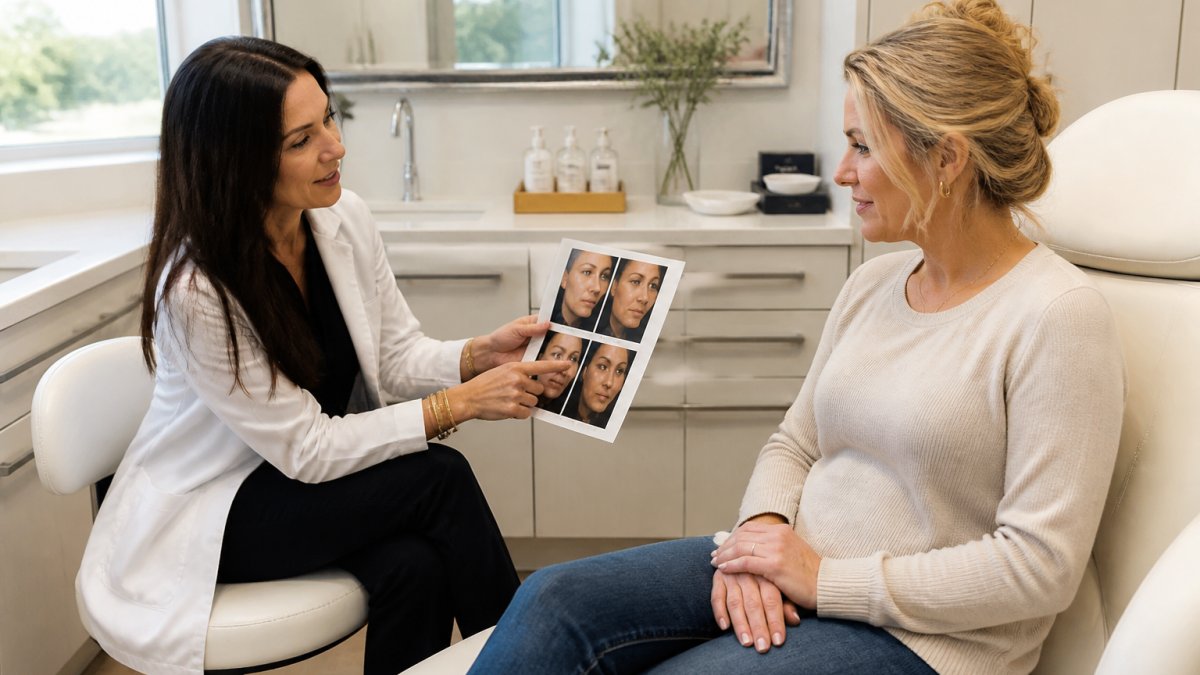
Start by verifying credentials. Look for physicians, nurse practitioners, or physician assistants with specialized training in aesthetic medicine.
Experience with your specific concern matters. If you're seeking acne scar treatment, ask how many scar treatments the provider has performed and request before-and-after photos of similar cases.
Ask about the provider's approach to natural-looking results. Red flags include pushing maximum neuromodulator doses, aggressive filler placement, or cookie-cutter plans without customization.
During your consultation, pay attention to whether the provider listens and asks detailed questions about your expectations.
At Bella MedSpa, our team includes Dr. Craig Schacher, MD, FACEP, along with clinical advisors and senior aestheticians who bring deep expertise to every treatment.
Ask about follow-up care and touch-ups. The best providers build relationships over time, adjusting treatments as your skin responds and your goals evolve, with clear guidance on maintenance and realistic timelines.
2026 Medical Aesthetics Trends: What's Driving Innovation
The advanced medical aesthetics procedures dominating 2026 reflect three major shifts in how people approach aging.
Prejuvenation and Prevention
The first major trend is prejuvenation: starting preventive treatments earlier to avoid more aggressive interventions later.
Regenerative and Natural-Looking Results
The second trend emphasizes regenerative approaches that work with your body's own healing mechanisms. PRP, PRF, exosome therapies, and biostimulatory injectables trigger collagen production rather than simply filling or paralyzing, driving demand for combination approaches that layer treatments for subtle enhancement.
Personalization and Customization
The third trend is moving away from one-size-fits-all plans toward personalized medicine. Practitioners customize dosing, injection placement, and treatment combinations based on individual anatomy, skin type, age, and concerns.
Technology continues to advance, with innovations in neuromodulator formulations, filler particle sizes, and device precision. But the real innovation is how practitioners use these tools, understanding that subtle, personalized enhancement beats aggressive, standardized approaches.
The future of aesthetic medicine belongs to practitioners who combine technical skill with artistic judgment and who prioritize natural-looking results and patient safety above all else.
The landscape of advanced medical aesthetics procedures continues to evolve rapidly, with 2026 marking a clear shift toward prevention, personalization, and natural-looking results.
Frequently Asked Questions
What are the most popular advanced medical aesthetics procedures in 2026?
Low-dose neuromodulators for prejuvenation, regenerative treatments using exosomes and PRP, advanced dermal fillers, and non-surgical skin tightening are leading the market. These minimally invasive cosmetic procedures appeal to patients seeking natural-looking results with minimal downtime. Energy-based devices and microneedling combined with regenerative injectables are also trending as combination approaches gain popularity among practitioners seeking comprehensive facial rejuvenation.
What is regenerative aesthetic treatment and how does it work?
Regenerative aesthetic treatments use the body's own healing mechanisms to stimulate collagen production and tissue repair. PRP (platelet-rich plasma), PRF (platelet-rich fibrin), and exosome therapies work by delivering growth factors and signaling molecules that activate fibroblasts and promote skin renewal. These treatments are often combined with microneedling or laser therapy to enhance results. Unlike traditional fillers that add volume directly, regenerative approaches address underlying skin quality and structure over time.
How do I choose the right aesthetic provider for advanced medical aesthetics procedures?
Look for a provider with medical oversight, such as an MD or nurse practitioner on staff, and clinical advisors with advanced certifications. Ask about their experience with the specific procedure you're considering and request before-and-after photos of actual patients. A qualified provider will conduct a thorough consultation, discuss realistic outcomes, explain risks and recovery, and customize a treatment plan based on your skin type, concerns, and goals rather than pushing a one-size-fits-all approach.
What is the difference between minimally invasive cosmetic procedures and surgical facelifts?
Minimally invasive cosmetic procedures like injectables, microneedling, and energy-based treatments require no incisions, general anesthesia, or extended downtime. Results develop gradually or appear immediately depending on the treatment, and effects are reversible or require maintenance. Surgical facelifts involve incisions, anesthesia, and significant recovery time but provide more dramatic, longer-lasting structural changes. Many patients choose minimally invasive options first and combine multiple treatments for comprehensive facial rejuvenation without surgery.
How long do results from advanced aesthetic procedures typically last?
Duration varies by treatment type. Neuromodulators last 3-4 months and require repeat injections. Dermal fillers typically last 6-18 months depending on the product and area treated. Biostimulatory injectables can provide results lasting up to 2 years as they work gradually. Regenerative treatments show progressive improvement over several months with results lasting 12-18 months. Energy-based skin tightening and microneedling provide cumulative results that improve over time, with maintenance sessions recommended annually to sustain outcomes.