 listicle
Best Non-Surgical Fat Reduction Options Compared
Last Updated: November 8, 2026
Quick Summary
Non-surgical fat reduction targets small, stubborn pockets of fat that have not responded to diet and exercise, and it does not reduce overall body weight. Common options include fat freezing, laser lipolysis, and injectables, and results are usually gradual.
- Non-surgical fat reduction works on localized areas such as the abdomen, flanks, or under the chin.
- Fat freezing (cryolipolysis) cools fat cells to trigger cell death and is discussed for modest, pinchable fat pockets.
- Laser lipolysis is often discussed for its potential skin-tightening benefit and usually involves several sessions.
- Red-light therapy evidence for fat reduction is generally weaker than for cryolipolysis or laser lipolysis.
- Compare the estimated total cost of the full course in writing, not the price of a single session.
Table of Contents
- How Non-Surgical Fat Reduction Differs From Weight Loss
- Best Non-Surgical Fat Reduction Treatments Compared
- Best Non-Surgical Fat Reduction for Stomach Fat
- Non-Surgical Fat Removal From the Stomach: What to Expect
- Total Cost, Recovery Time, and Long-Term Results
- Reading Best Non-Surgical Fat Reduction Reviews Critically
- Booking a Consultation at Bella MedSpa to Choose Your Treatment
- Frequently Asked Questions
How Non-Surgical Fat Reduction Differs From Weight Loss
Non-surgical fat reduction targets small, stubborn pockets of fat that have not responded to diet and exercise. It does not reduce overall body weight. Our team explains the difference before any treatment begins, because the two goals call for different expectations.
Weight loss lowers total body fat across the body. Non-surgical fat reduction works on localized areas such as the abdomen, flanks, or under the chin. Results are usually gradual, and treated areas are typically assessed over several weeks after treatment.
Clinical consensus holds that these treatments suit adults near their goal weight with specific areas of concern. A licensed provider should confirm suitability during a consultation.
Best Non-Surgical Fat Reduction Treatments Compared
Several technologies are used for non-surgical fat reduction. Each works through a different mechanism, suits a different amount and type of fat, and carries a different evidence base. The comparison below groups them by mechanism so you can see why a provider might recommend one over another.
Fat freezing (cryolipolysis). CoolSculpting is a widely recognized option in this category. A handheld applicator pulls a fold of tissue into a cup and cools it to a controlled temperature, which triggers apoptosis (programmed cell death) in fat cells while sparing the overlying skin. Treated cells are cleared by the body over the following weeks to months. Cryolipolysis is generally discussed for modest, pinchable fat pockets rather than large-volume removal.
Laser-based fat reduction. SculpSure is a laser-based fat-reduction system. Laser lipolysis is often discussed for its potential skin-tightening benefit, which may be relevant for people who want firmer skin along with less fat. Sessions are typically shorter than cryolipolysis cycles, and a treatment plan usually involves several sessions.
Radiofrequency and microneedling. EXION RF Microneedling combines radiofrequency energy with microneedling. Radiofrequency treatments are generally discussed for skin tightening through collagen stimulation rather than direct fat reduction, so they fit readers whose main concern is skin quality or mild laxity rather than fat volume alone. If fat reduction is the primary goal, radiofrequency is usually a complement, not a substitute, for a fat-reducing modality.
Muscle toning and body contouring. EMSCULPT NEO is a body-contouring technology. It is typically discussed for both fat reduction and muscle tone. It is not a weight-loss treatment.
Injectables. Kybella is a deoxycholic acid injection used to reduce submental fat (under the chin).
Red-light therapy. Red-light therapy is a treatment category rather than a single device. Evidence for fat reduction with red-light devices is generally weaker than for cryolipolysis or laser lipolysis, and results vary by device and protocol. Readers comparing options should ask a provider which specific device is used and what evidence supports it before treating it as equivalent to the modalities above.
How to read the comparison. Evidence quality can differ across these categories, and a provider should be able to explain which modality has support for your specific treatment area.
Ask what the alternatives are and why a recommended option suits your area, fat amount, and skin quality.
A consultation with a qualified provider can help compare these options against your goals.
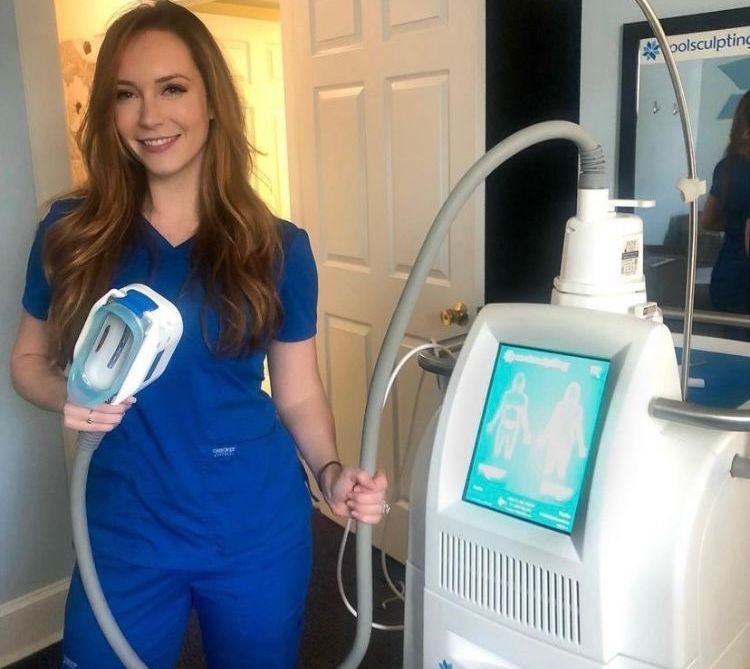
The main non-surgical fat reduction technologies differ in mechanism, typical use, and evidence base.
| Treatment | Mechanism | Typical use |
|---|---|---|
| Fat freezing (cryolipolysis) | Cools fat cells to trigger cell death | Modest, pinchable fat pockets |
| Laser lipolysis (SculpSure) | Laser energy | Fat reduction with possible skin tightening |
| Radiofrequency microneedling (EXION RF) | Radiofrequency and microneedling | Skin tightening, mild laxity |
| EMSCULPT NEO | Body contouring technology | Fat reduction and muscle tone |
| Kybella | Deoxycholic acid injection | Submental fat under the chin |
| Red-light therapy | Light-based treatment category | Evidence weaker than other modalities |
Best Non-Surgical Fat Reduction for Stomach Fat
Stomach fat is one of the most common areas people ask about. Abdominal treatments are widely discussed, but results vary by person, by the amount of fat present, and by the technology used.
Fat freezing and laser-based options are the most frequently discussed choices for the abdomen. A provider will measure the treatment area and explain which option fits. A consultation is a sensible starting point before choosing a method.
For more background on finding and evaluating a provider for fat freezing, see CoolSculpting Near Me: How to Find and Vet a Provider.
Non-Surgical Fat Removal From the Stomach: What to Expect
Recovery time differs by treatment. Some experience temporary redness, numbness, tenderness, or swelling in the treated area. These effects are generally mild and short-lived, though they vary by treatment.
Some treatments involve a series of sessions, and results may build over time. Your provider will outline the expected timeline for your plan.
Possible side effects, rare complications, and contraindications differ by treatment. A consultation should cover your medical history and any medications you take. Seek prompt medical attention for severe pain, blistering, persistent numbness, or signs of infection.
Total Cost, Recovery Time, and Long-Term Results
The price of a single session is only part of the total cost. A more useful way to compare options is to estimate the full course: the number of sessions or cycles a typical plan requires, follow-up visits, any complementary treatments bundled in, and whether maintenance sessions are likely later. Because pricing is set by the provider and varies by area and plan, ask for a written estimate that covers the whole course rather than a per-session figure. Pricing depends on the treatment and your plan, so please visit the Bella MedSpa website or contact us for a personalized quote.
Session counts can affect total cost. Injectable fat reduction plans depend on the area and the amount of fat. When you compare quotes, compare the estimated total for the full course, not the entry price.
What may not be included. Ask specifically what an estimate covers and what would be billed separately.
Recovery time. Recovery varies by treatment and area. Recovery varies by treatment and area, and temporary redness, numbness, tenderness, or swelling in the treated area can occur. Your provider will outline what to expect for your specific plan. For more on what to expect after body contouring, see Body Contouring Downtime: What to Expect.
Long-term results and what happens after treatment. Remaining fat cells can still grow if weight is gained, so results may hold best when weight stays relatively stable. Ask your provider how your plan supports lasting results and what follow-up looks like.
A decision framework for choosing. Use these questions to narrow the field before your consultation: Where is the fat, and is it pinchable? How much skin laxity is present (which may call for a tightening component)? Is muscle definition part of the goal? What is your total budget for the full course, not one session? And how much downtime can you tolerate? The answers point toward different modalities and help you compare quotes on equal terms.
Watch out: a quote that lists only a per-session price without an estimated number of sessions makes it impossible to compare total cost across providers. Ask for the full-course estimate in writing.
Reading Best Non-Surgical Fat Reduction Reviews Critically
Online reviews can be useful, but they vary widely in quality. Some reviewers are paid, some describe results from a single body type, and few report on long-term outcomes.
When reading reviews, look for details on treatment area, number of sessions, time since treatment, and whether the reviewer had a consultation. Check whether a review describes a licensed provider and clinical oversight. Compare several sources rather than relying on one.
Be cautious of any review that promises guaranteed results or describes a treatment as risk-free. Every option has possible side effects.
Booking a Consultation at Bella MedSpa to Choose Your Treatment
The right treatment depends on your goals, your body, and your medical history. A consultation with a qualified provider at Bella MedSpa is the best first step. During the visit, your provider can explain the options, discuss expected results and side effects, and outline the total cost of a plan.
To learn more about our services or to schedule a consultation, visit our contact page or explore our laser services for an overview of the options we offer.
Choosing a non-surgical fat reduction option is a personal decision. Bella MedSpa is here to help you compare your options with a licensed clinician. Contact us today to book your consultation and take the next step toward your goals.
Frequently Asked Questions
What is the most effective non-surgical fat removal?
No single treatment works best for everyone. Effectiveness depends on the treated area, the amount of fat present, and your goals. Cryolipolysis, laser-based treatments, ultrasound, radiofrequency, and injectable options each work differently and have different evidence bases. A provider can assess your body and recommend the approach most likely to suit you. Non-surgical treatments generally reduce localized fat rather than producing large-scale weight loss, so setting realistic expectations is an important first step.
Can I lose 20 pounds with CoolSculpting?
Non-surgical fat reduction treatments like CoolSculpting target small, localized areas of fat. They are not designed for significant weight loss, and a 20-pound loss is not a realistic expectation from a single treatment or series. Treatments are better suited to refining specific areas. For broader weight goals, a provider or physician can discuss overall health strategies alongside any body-contouring plan.
Are non-surgical fat reduction results permanent?
Treated fat cells that are eliminated generally do not return, but the remaining fat cells can still grow if weight is gained. Results also depend on maintaining a stable weight, lifestyle habits, and individual factors. Some treatments take several weeks to show their full effect. Ask your provider what results to expect for the specific treatment you are considering and how long they typically last for your body.
What are the risks and side effects of non-surgical fat reduction?
Side effects vary by treatment type. Common temporary effects can include redness, swelling, bruising, tenderness, numbness, or changes in skin sensation in the treated area. Less common complications are possible and should be discussed in detail during a consultation. Your provider should review your medical history, medications, and expectations before any treatment. Serious concerns warrant prompt contact with a qualified medical professional.