 how-to
How to Tighten Jawline Without Surgery: 7 Steps
Table of Contents
- Understanding Jawline Sagging: Why It Happens
- Step 1: Assess Your Skin Type and Laxity Level
- Step 2: Start With Botox for Jawline Slimming and Definition
- Step 3: Add Dermal Fillers for Jawline Definition and Structure
- Step 4: Use Energy-Based Devices for Skin Tightening and Collagen Stimulation
- Step 5: Consider PDO Thread Lift for Jowls and Lifting
- Step 6: Optimize Lifestyle Factors for Jawline Definition
- Step 7: Create a Maintenance Protocol for Long-Term Results
- Frequently Asked Questions
Last Updated: September 28, 2026
Understanding Jawline Sagging: Why It Happens
Jawline sagging occurs when skin loses elasticity and underlying structures weaken over time. The skin's collagen and elastin fibers break down, and facial fat pads shift downward due to gravity. This creates jowls, a less defined jawline, and that "double chin" appearance many people want to address.
Several factors accelerate this process: age (collagen declines after 30), sun exposure, genetics, poor diet, dehydration, smoking, and weight fluctuations.
The good news? You can tighten jawline without surgery using proven non-invasive treatments. At Bella MedSpa, we help patients restore jawline definition through a combination of injectables and energy-based devices.
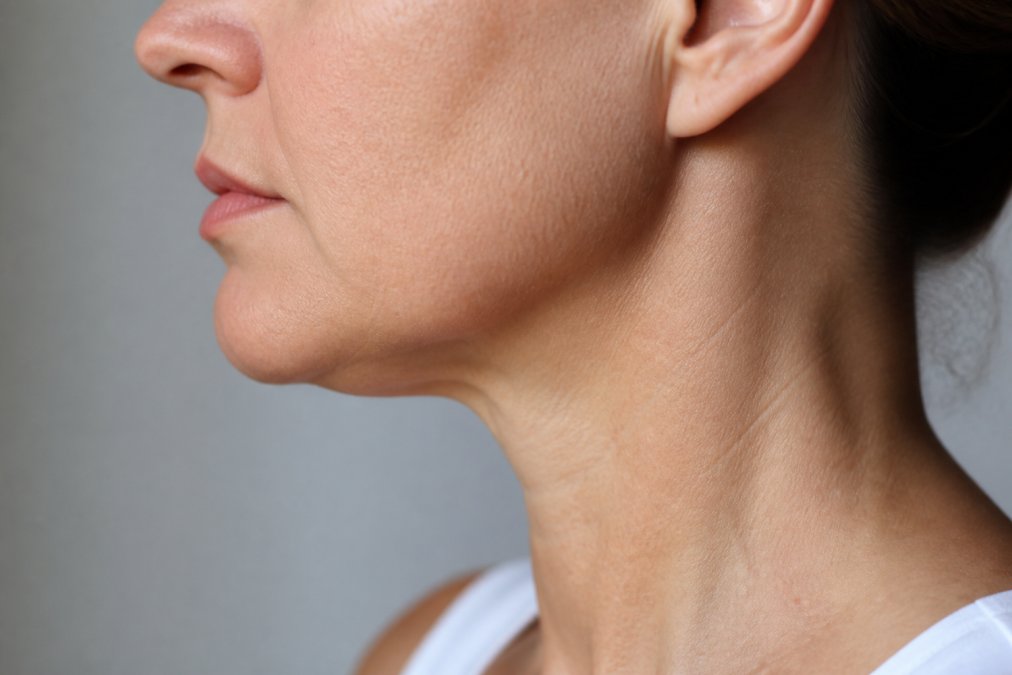
Step 1: Assess Your Skin Type and Laxity Level
Assess your skin laxity: mild (subtle sagging, good quality), moderate (visible jowling, texture loss), or severe.
Skin type matters, fair and darker skin respond differently to energy devices. Some need submental fat reduction; others need structural support through fillers.
A consultation with a qualified aesthetician or physician assesses your tightening needs, candidacy, realistic results, and best treatment options.
Step 2: Start With Botox for Jawline Slimming and Definition
While most people know Botox for forehead wrinkles, it can be used for jawline contouring.
How it works: Botox relaxes the overactive masseter muscle along your lower jaw, making your jawline appear more defined and sculpted.
Results you can expect:
- Subtle slimming effect within 3-7 days
- Full results by week 2
- Results last 3-4 months
- Natural-looking definition without the "frozen" appearance
A skilled injector uses the right dose and understands facial anatomy for natural results. Many combine Botox with other treatments for better outcomes.
Step 3: Add Dermal Fillers for Jawline Definition and Structure
Dermal fillers restore structural support by adding volume where age-related fat and bone density loss has occurred.
Strategic filler placement can:
- Define the jawline by adding volume along the jawline border
- Reduce the appearance of jowls by providing lift
- Improve the chin-to-neck transition
- Create a more sculpted, youthful profile
Hyaluronic acid fillers are reversible and integrate naturally, with results appearing immediately and improving over two weeks.
Expected timeline:
- Results visible: immediately
- Full integration: 2 weeks
- Duration: 9-12 months depending on the product
- Touch-ups needed: 1-2 times per year
Step 4: Use Energy-Based Devices for Skin Tightening and Collagen Stimulation
Energy-based devices trigger neocollagenesis (new collagen formation) through controlled thermal or electromagnetic energy, creating genuine tissue contraction and remodeling.
Radiofrequency (RF) Devices
RF devices heat collagen to 40-45°C for immediate contraction and new collagen production. Monopolar offers deeper penetration; bipolar is safer for sensitive areas.
- Treatment protocol: 4-6 sessions spaced 2-4 weeks apart
- Downtime: None to minimal redness lasting a few hours
- Results timeline: Visible tightening within 1-2 weeks; peak results at 8-12 weeks as new collagen matures
- Duration: Results continue improving for 6 months; effects last 12-18 months before gradual fading
- Best for: Mild to moderate jawline laxity, jowls, and neck skin
- Skin type considerations: Safe across all skin tones when settings are properly calibrated; darker skin requires lower energy to avoid post-inflammatory hyperpigmentation
Ultrasound Energy (Microfocused Ultrasound)
Ultrasound (4.5 MHz) penetrates to the SMAS layer beneath facial muscles without damaging the epidermis, making it effective for structural lift.
- Treatment protocol: Single treatment or 2-3 sessions spaced 6-8 weeks apart for more aggressive results
- Downtime: Minimal; slight swelling or tenderness for 24-48 hours
- Results timeline: Initial tightening visible immediately; continued improvement over 2-3 months as collagen remodels
- Duration: Results peak at 3 months and remain stable for up to 12-18 months
- Best for: Moderate jawline sagging, jowls, and submental fullness
- Skin type considerations: Effective across all skin tones; risk of temporary nerve irritation is low but slightly higher in patients with very thin skin
Microcurrent Devices
Microcurrent mimics the body's natural electrical current to stimulate facial muscles and increase ATP production.
- Treatment protocol: Professional treatments; at-home devices used 3-5 times weekly
- Downtime: None
- Results timeline: Subtle lift visible after 4-6 weeks of consistent use; results plateau around 12 weeks
- Duration:
- Best for: Mild laxity, maintenance between professional treatments, and patients seeking the gentlest option
- Skin type considerations: Safe for all skin types; no risk of pigmentation changes
Combining Energy Devices With Injectables
Energy treatments work synergistically with Botox and fillers: RF or ultrasound stimulates deep collagen while fillers restore volume and Botox refines muscle tone. Start energy treatments 2-4 weeks after filler injections.
Realistic Expectations
Energy devices produce gradual, subtle results requiring multiple sessions, but avoid surgery's risks and downtime. Results are most dramatic in mild to moderate laxity; severe cases may need threads or surgery.
Step 5: Consider PDO Thread Lift for Jowls and Lifting
PDO threads are dissolvable threads inserted under the skin to provide mechanical lift. They trigger collagen stimulation as your body absorbs them.
How PDO threads work:
Threads with tiny barbs are placed under the skin along the jawline and pulled upward to lift sagging tissue. Over 6-12 months, your body absorbs the threads while new collagen forms, providing lasting lift.
Benefits for jawline contouring:
- Immediate lift visible after treatment
- Continued improvement as collagen forms
- Results last 12-18 months
- Less invasive than surgical options
- Works well for moderate jowling
Recovery: Minimal downtime.
Step 6: Optimize Lifestyle Factors for Jawline Definition
Non-surgical treatments can be supported by lifestyle habits that preserve skin quality and collagen integrity.
Hydration and Lymphatic Drainage
- Daily hydration target: 8-10 glasses of water
- Lymphatic drainage: Gentle upward massage along the jawline and neck toward the ears and collarbone for 2-3 minutes daily reduces puffiness and improves definition
- Benefit: Proper lymphatic flow reduces inflammation and fluid pooling, enhancing results from injectables and energy treatments
Nutrition for Collagen Support
- Protein: 0.8-1.0 grams per pound daily; collagen-rich foods and peptide supplements provide bioavailable amino acids
- Vitamin C: 500-1000 mg daily supports collagen synthesis
- Omega-3 fatty acids: 1000-2000 mg daily reduce inflammation and support skin barrier function
- Antioxidants: Polyphenols from berries, green tea, and leafy greens protect collagen from oxidative damage
Sun Protection as Collagen Preservation
- Daily protocol: Broad-spectrum SPF 30+ (minimum) applied to face, jawline, and neck every morning; reapply every 2 hours if outdoors
- Mechanism: UVA penetrates deep into the dermis and causes oxidative stress; UVB causes direct DNA damage. Consistent protection prevents cumulative collagen loss
- Interaction with treatments: Patients who neglect sun protection see faster fading of results from energy-based treatments and fillers, as ongoing UV damage counteracts collagen stimulation
Sleep Quality and Collagen Remodeling
- Target: 7-9 hours nightly; consistency matters more than total hours
- Sleep position: Sleeping on your back (not your side or stomach) prevents compression of the jawline and neck, reducing sleep creases that can become permanent over time
- Mechanism: Sleep deprivation increases systemic inflammation and impairs the skin's ability to repair UV damage and respond to treatments
Smoking and Alcohol Cessation
- Impact: Smokers show 40% more skin laxity by age 50 compared to non-smokers
- Timeline: Skin quality begins improving within 3-6 months of quitting smoking
- Interaction with treatments: Smokers often require more sessions of energy-based treatments and see slower results from injectables due to reduced skin circulation
Facial Exercises and Muscle Tone
- Effective exercises: Neck flexion (chin tucks), jaw clenching holds (5 seconds, 10 reps, twice daily), and tongue-to-palate presses
- Timeline: Noticeable improvement in muscle definition within 4-6 weeks of daily practice
- Mechanism: Muscle hypertrophy and improved tone create visual definition that complements skin tightening treatments
- Limitation: Facial exercises alone cannot address skin laxity or jowls; they work best as a complement to professional treatments
Weight Stability
- Impact: Fluctuations of more than 10 pounds can visibly affect jawline definition
- Interaction with treatments: Patients planning weight loss should stabilize their weight before starting a treatment protocol; otherwise, results may be compromised
The Cumulative Effect
Step 7: Create a Maintenance Protocol for Long-Term Results
Non-surgical jawline tightening isn't a one-time procedure. It's an ongoing commitment. Results fade as your body metabolizes injectables, threads dissolve, and collagen naturally declines with age.
A typical maintenance schedule might include:
| Treatment | Frequency | Purpose |
|---|---|---|
| Botox touch-ups | Every 3-4 months | Maintain jawline slimming |
| Filler touch-ups | Every 9-12 months | Sustain structural support |
| Energy-based treatments | 1-2 times yearly | Continuous collagen stimulation |
| PDO threads | Every 12-18 months | Refresh mechanical lift |
| Lifestyle maintenance | Daily | Support skin health |
Frequently Asked Questions
How long do non-surgical jawline tightening results typically last?
Results vary by treatment type. Injectables like Botox and dermal fillers typically last 3-6 months and require maintenance appointments to sustain results. Energy-based skin tightening devices like radiofrequency stimulate collagen over time, with results improving over 2-3 months and lasting 12-18 months with proper maintenance. PDO threads provide lifting effects for 12-18 months as the threads dissolve and collagen remodels. Lifestyle changes offer ongoing benefits if maintained consistently.
Will losing weight help improve my jawline definition?
Weight loss can improve jawline appearance by reducing submental fat and overall facial fullness, but it doesn't address skin laxity or volume loss that develop with age. Many people find that diet and exercise alone don't restore the structural definition they had when younger. Combining weight management with professional treatments like dermal fillers for jawline definition and energy-based skin tightening delivers more dramatic results than either approach alone.
What's the difference between at-home treatments and professional clinical treatments for jawline tightening?
At-home devices like microcurrent and LED therapy offer gentle, cumulative benefits with minimal downtime but deliver modest results. Professional clinical treatments, including radiofrequency, ultrasound energy, and injectables, provide faster, more noticeable jawline contouring because they reach deeper skin layers and tissue. Clinical treatments are administered by trained professionals who customize intensity and placement for your specific anatomy. Results from professional treatments typically appear within weeks, while at-home options take months.
Are non-surgical jawline treatments safe for all skin types?
Most non-surgical treatments are safe across skin types, but some require adjustments. Energy-based devices may need modified settings for darker skin tones to avoid pigmentation changes. Injectables work well universally but require a practitioner experienced with diverse skin types. Before any treatment, a consultation with a qualified professional is essential to identify contraindications, assess your skin's unique characteristics, and create a personalized plan that minimizes risk and maximizes results.